
In the realm of contemporary cinema, few directors have carved a niche as distinct and contemplative as Richard Linklater. Known for his nuanced exploration of the human experience through films such as “Boyhood,” the “Before” trilogy, and “Dazed and Confused,” Linklater has become synonymous with a narrative style that eschews conventional plot-driven storytelling in favor of capturing the subtleties of everyday life. However, this deliberate pacing and focus on ordinary moments often raises the question: is Linklater’s approach too slow for mainstream audiences accustomed to the rapid tempo and high-stakes drama typical of blockbuster films? This article delves into the cinematic philosophy of Richard Linklater, examining whether his emphasis on the mundane alienates the broader movie-going public or offers a refreshing counterpoint to the fast-paced narratives dominating the box office. By analyzing audience reception, critical perspectives, and the evolving landscape of film consumption, we aim to assess whether Linklater’s unique storytelling approach is a limitation or a strength in the context of mainstream appeal.
Exploring the Narrative Techniques of Richard Linklater
Richard Linklater is renowned for his unique narrative techniques that diverge significantly from mainstream cinematic conventions. His focus on the minutiae of everyday life is both a hallmark of his work and a point of contention among audiences. Linklater’s films often eschew traditional plot structures, favoring instead a more episodic and character-driven approach. This can be seen in works like the Before trilogy and Boyhood, where the narrative unfolds over extended periods, emphasizing the evolution of characters and their relationships rather than dramatic plot twists.
- Real-time storytelling: Linklater frequently employs real-time storytelling, allowing events to unfold naturally without the constraints of a conventional narrative arc.
- Dialogue-centric scenes: His films often focus on long, dialogue-heavy scenes that explore philosophical and existential themes, giving viewers an intimate look into the characters’ thoughts and emotions.
- Non-linear timelines: In some instances, such as Slacker, he uses non-linear timelines to weave together seemingly unrelated stories, creating a tapestry of interconnected lives and experiences.
While these techniques may be perceived as slow or meandering by some, they offer a rich, immersive experience for those who appreciate a more reflective and nuanced approach to storytelling. Linklater’s commitment to capturing the essence of ordinary life challenges the conventional notion of what constitutes engaging cinema, inviting audiences to find beauty and meaning in the everyday.
Analyzing Audience Expectations in Contemporary Cinema
Richard Linklater’s cinematic style often hinges on the exploration of the mundane, weaving narratives that focus on the intricacies of everyday life. This approach, characterized by its deliberate pacing and emphasis on character development over plot-driven action, raises questions about its appeal to mainstream audiences. While some viewers appreciate the introspective and authentic nature of his films, others may find the lack of traditional narrative momentum challenging. In a landscape where fast-paced, high-stakes storytelling often dominates, Linklater’s work can feel like a contemplative pause—a quality that may not resonate with all viewers.
Factors Influencing Audience Reception:
- Pacing: Linklater’s films, such as Boyhood and the Before trilogy, are known for their languid tempo, which might not cater to audiences accustomed to rapid-fire storytelling.
- Thematic Focus: His narratives often revolve around philosophical musings and character introspection, which could be perceived as uneventful by viewers seeking more traditional plot structures.
- Cinematic Trends: The current trend in cinema leans towards spectacle and immediacy, potentially marginalizing films that prioritize subtlety and realism.
Ultimately, while Linklater’s focus on the subtleties of everyday life may not align with mainstream cinematic expectations, it offers a distinct voice that challenges viewers to engage with film as a reflective medium.

The Impact of Pacing on Viewer Engagement
When exploring the nuances of pacing in cinema, Richard Linklater’s films often serve as a fascinating study. His distinct focus on the minutiae of everyday life and character-driven narratives creates a unique rhythm that diverges from the rapid-fire tempo typically seen in mainstream blockbusters. This deliberate pacing invites viewers to engage more deeply with the characters and themes, allowing for a more contemplative viewing experience. However, it also raises the question: does this slower tempo risk alienating audiences accustomed to more fast-paced storytelling?
Key considerations include:
- Character Development: Linklater’s unhurried approach allows for a more nuanced exploration of character development, providing viewers with a deeper emotional connection.
- Audience Expectations: The mainstream audience often seeks immediate gratification and clear plot progression, which can be at odds with Linklater’s style.
- Storytelling Depth: By focusing on everyday moments, his films can reveal profound insights into human nature, though this may require more patience from the viewer.
Ultimately, in Linklater’s work is a balancing act between fostering introspection and meeting the demands of entertainment. His films may not cater to everyone, but for those willing to embrace the slower pace, the rewards can be substantial.
Balancing Artistic Vision with Mainstream Appeal
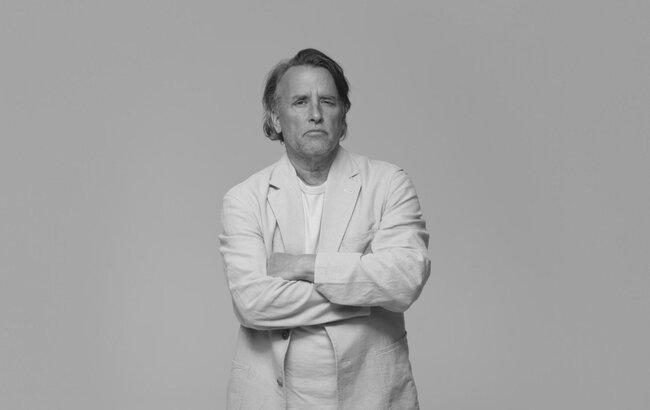
Richard Linklater’s films often straddle the line between artistic vision and mainstream appeal, raising the question of whether his focus on the minutiae of everyday life alienates or attracts audiences. On one hand, his storytelling technique, characterized by naturalistic dialogue and a focus on character development, resonates deeply with viewers seeking authenticity and emotional depth. His films like “Boyhood” and the “Before” trilogy are celebrated for capturing the essence of real life, offering audiences a reflective experience rather than a fast-paced narrative.
However, for those accustomed to the dynamic plots and high-stakes drama of mainstream cinema, Linklater’s approach might seem leisurely or even prosaic. Mainstream audiences often look for the following elements:
- Fast-paced action
- Clear-cut resolutions
- Traditional narrative arcs
These elements contrast sharply with Linklater’s emphasis on the passage of time and the subtle shifts in human relationships. The challenge lies in whether his deliberate pacing and intricate character studies can be effectively marketed to a broader audience without diluting his unique style. Balancing these aspects remains a key consideration for Linklater and filmmakers who tread similar artistic paths.
