
Martin Scorsese stands as a towering figure in the realm of cinema, his influence particularly profound within the genre of crime films. Over the course of his illustrious career, Scorsese has not only redefined the crime narrative but has also reshaped the way audiences perceive the complexities of moral ambiguity, loyalty, and the human condition. His distinctive approach to storytelling, characterized by meticulous attention to detail, dynamic character development, and a masterful use of visual and auditory elements, has elevated crime cinema to new heights. By exploring the intricate interplay between power, corruption, and redemption, Scorsese’s films delve deep into the human psyche, offering a nuanced portrayal of both the allure and the destructiveness of the criminal underworld. This article examines the key elements of Scorsese’s work that have redefined the crime genre, highlighting his enduring impact on both filmmakers and audiences alike.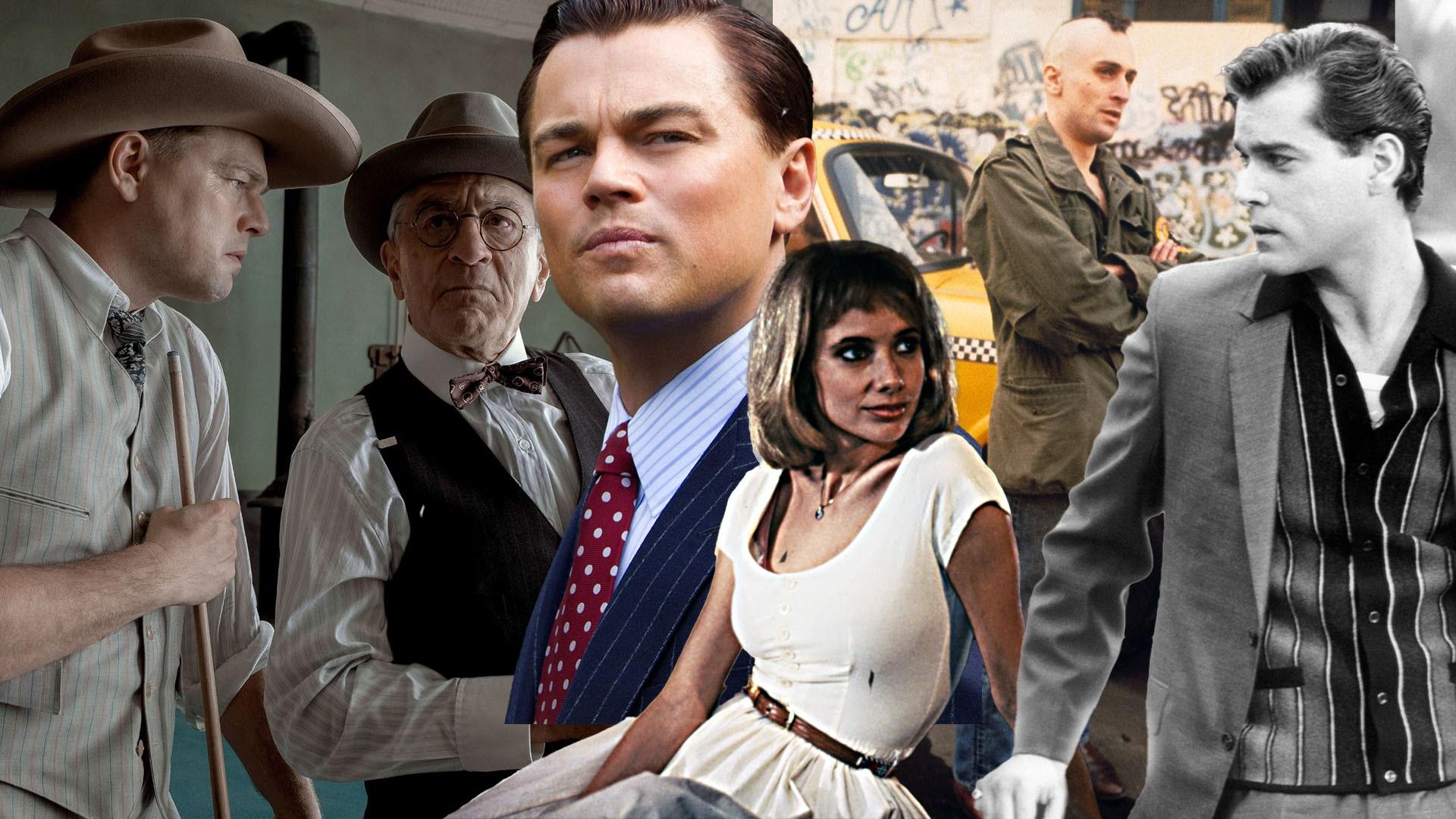
Examining the Narrative Techniques in Scorseses Crime Films
Martin Scorsese’s crime films are celebrated for their masterful use of narrative techniques that delve deeply into the complexities of human nature and society. One of the key techniques he employs is the use of unreliable narrators, which allows audiences to experience the story from a skewed perspective. This approach is evident in films like Goodfellas, where Henry Hill’s narration offers insight into the allure and chaos of a life of crime. By presenting the narrative through the eyes of a character deeply embedded in the criminal world, Scorsese blurs the line between glamour and brutality, drawing viewers into a morally ambiguous universe.
Another hallmark of Scorsese’s narrative style is his meticulous attention to detail and authenticity. He often employs a combination of realistic dialogue, period-accurate settings, and meticulously researched cultural references to create a vivid and immersive world. This dedication to realism not only enhances the credibility of the story but also immerses the audience in the intricacies of the criminal underworld. Additionally, Scorsese’s use of non-linear storytelling and dynamic editing techniques, such as jump cuts and freeze frames, keeps viewers engaged and constantly reevaluating the unfolding events. These narrative strategies, combined with his deep character studies, allow Scorsese to redefine the crime genre, crafting films that are as much about the human condition as they are about crime itself.
The Role of Character Development in Scorseses Storytelling
Martin Scorsese’s mastery in crime cinema is not merely the result of thrilling plots or meticulously crafted settings, but largely due to his exceptional focus on character development. In his films, characters are not just vessels for action; they are the core of the narrative, driving the story forward with their complexities and internal conflicts. Scorsese delves deep into the psyche of his characters, allowing audiences to witness their transformations, moral dilemmas, and personal growth. This approach offers a profound exploration of human nature, making his crime stories more relatable and impactful.
Scorsese’s characters are often portrayed with an authenticity that blurs the line between good and evil. This nuanced portrayal is achieved through several key techniques:
- Backstories: Detailed backstories provide context for characters’ actions and motivations.
- Moral Ambiguity: Characters often face moral challenges that reflect real-world complexities.
- Inner Conflicts: The internal struggles of characters are depicted with raw honesty, making them multidimensional.
By emphasizing these elements, Scorsese redefines the genre, creating crime narratives that are not just about the acts themselves but about the people who commit them and the societal forces that shape them.

Analyzing Scorseses Use of Music and Sound in Crime Cinema
Martin Scorsese’s mastery in crafting immersive crime cinema is not just about the visual storytelling but is profoundly intertwined with his strategic use of music and sound. His films are known for their meticulous attention to auditory detail, which enhances the narrative and deepens the audience’s emotional engagement. Scorsese often curates soundtracks that juxtapose the on-screen chaos with classic rock or blues tracks, creating a compelling contrast that amplifies the intensity of the scenes. This technique is evident in films like Goodfellas and The Departed, where the music choices are not mere background elements but active participants in the storytelling.
- Emotional Resonance: The carefully selected songs often reflect the inner turmoil of characters, providing a deeper insight into their motivations and psyche.
- Historical Context: By using period-specific tracks, Scorsese places the audience firmly within the era, enriching the authenticity of the narrative.
- Dynamic Contrast: The juxtaposition of serene melodies with violent imagery creates a powerful dissonance that heightens the dramatic impact.
Scorsese’s use of diegetic and non-diegetic sound further blurs the lines between the film’s world and reality, drawing viewers into a visceral experience. This auditory layering is not only a hallmark of his style but also a transformative element that has redefined how music and sound are perceived in the crime genre.

Influence of Realism and Grit on Scorseses Cinematic Approach
Martin Scorsese’s unique cinematic approach is heavily influenced by his dedication to realism and grit, characteristics that have redefined the landscape of crime cinema. By immersing audiences into the underbelly of society, Scorsese captures the raw essence of human nature, transcending traditional storytelling. His films often portray characters entrenched in morally ambiguous worlds, where the line between right and wrong blurs into a complex tapestry of personal motivations and societal pressures.
- Authentic Dialogue: Scorsese’s characters often speak in a manner that reflects their environment, using language that is unfiltered and true to life.
- Visual Realism: The director employs meticulous attention to detail, from the gritty streets of New York to the opulent settings of organized crime, ensuring each scene feels palpably real.
- Complex Characters: His protagonists are frequently flawed and multifaceted, providing a genuine portrayal of human struggle and ambition.
These elements combine to create a visceral viewing experience that resonates with audiences, encouraging them to explore the darker sides of human experience. By weaving together these themes, Scorsese not only tells stories but also constructs a vivid representation of the world as it is, rather than how we might wish it to be.
