
Christopher Nolan‘s “Interstellar” has captivated audiences and critics alike since its release, establishing itself as a modern classic in the realm of science fiction cinema. Lauded for its ambitious storytelling, groundbreaking visual effects, and a hauntingly evocative score by Hans Zimmer, the film has earned a place in the pantheon of genre-defining works. Yet, amid the accolades, “Interstellar” is not without its detractors. Some critics and viewers point to perceived narrative inconsistencies, scientific liberties, and emotional depth as areas where the film stumbles. This duality presents an intriguing case study: how can a film be simultaneously heralded as a masterpiece while being criticized for its flaws? This article delves into the complexities of “Interstellar,” exploring the elements that contribute to its brilliance and the aspects that invite critique, offering a balanced examination of why it remains a subject of both admiration and debate in the cinematic world.
Exploration of Scientific Accuracy and Creative Liberties
One of the most compelling aspects of Interstellar is its dedication to scientific authenticity, largely due to the involvement of physicist Kip Thorne. The film explores concepts such as wormholes, black holes, and time dilation with a level of detail that few science fiction films have achieved. For instance, the depiction of the black hole, Gargantua, is not only visually stunning but also mathematically modeled to reflect the bending of light around it, giving audiences a visually and scientifically accurate representation. This commitment to science is evident in scenes where time behaves differently due to gravitational forces, a concept rooted in Einstein’s theory of relativity.
However, the film also takes creative liberties that, while necessary for storytelling, stretch scientific accuracy. Critics point to elements such as the communication through a tesseract or the concept of love as a quantifiable force as areas where the film diverges from hard science. These choices, while integral to the narrative’s emotional depth, can be seen as a departure from the rigorous scientific foundation the film initially establishes. Key areas where creative liberties are taken include:
- The Tesseract: The idea of a three-dimensional space representing higher dimensions, while visually intriguing, is speculative.
- Time Manipulation: The ability to alter time through human intervention ventures into the realm of fantasy.
- Human Connection: The notion of love as a tangible force that transcends time and space, while poignant, lacks scientific backing.
These elements serve to enhance the emotional resonance and philosophical inquiry of the film, even if they occasionally sidestep scientific plausibility.
Character Development and Emotional Resonance
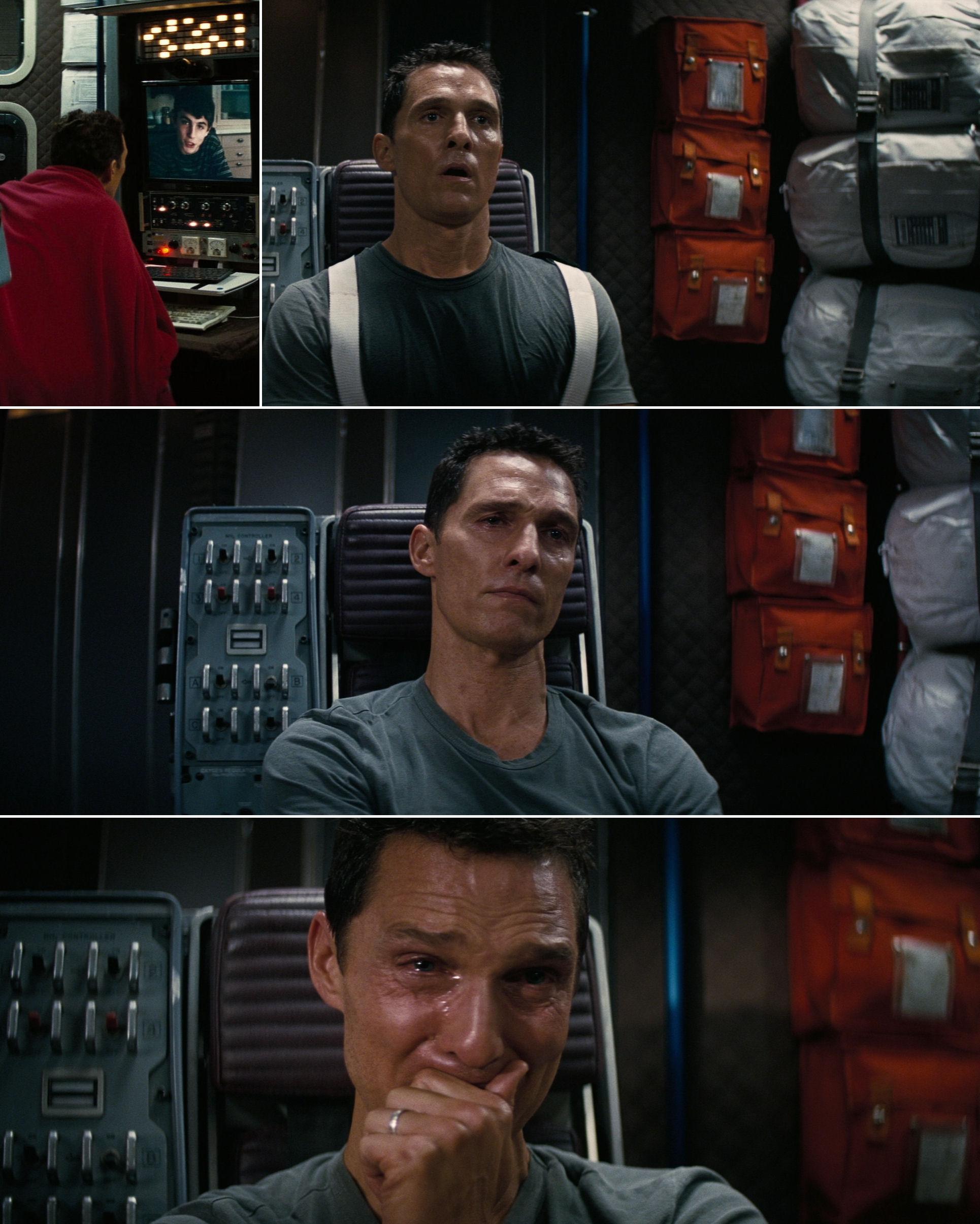
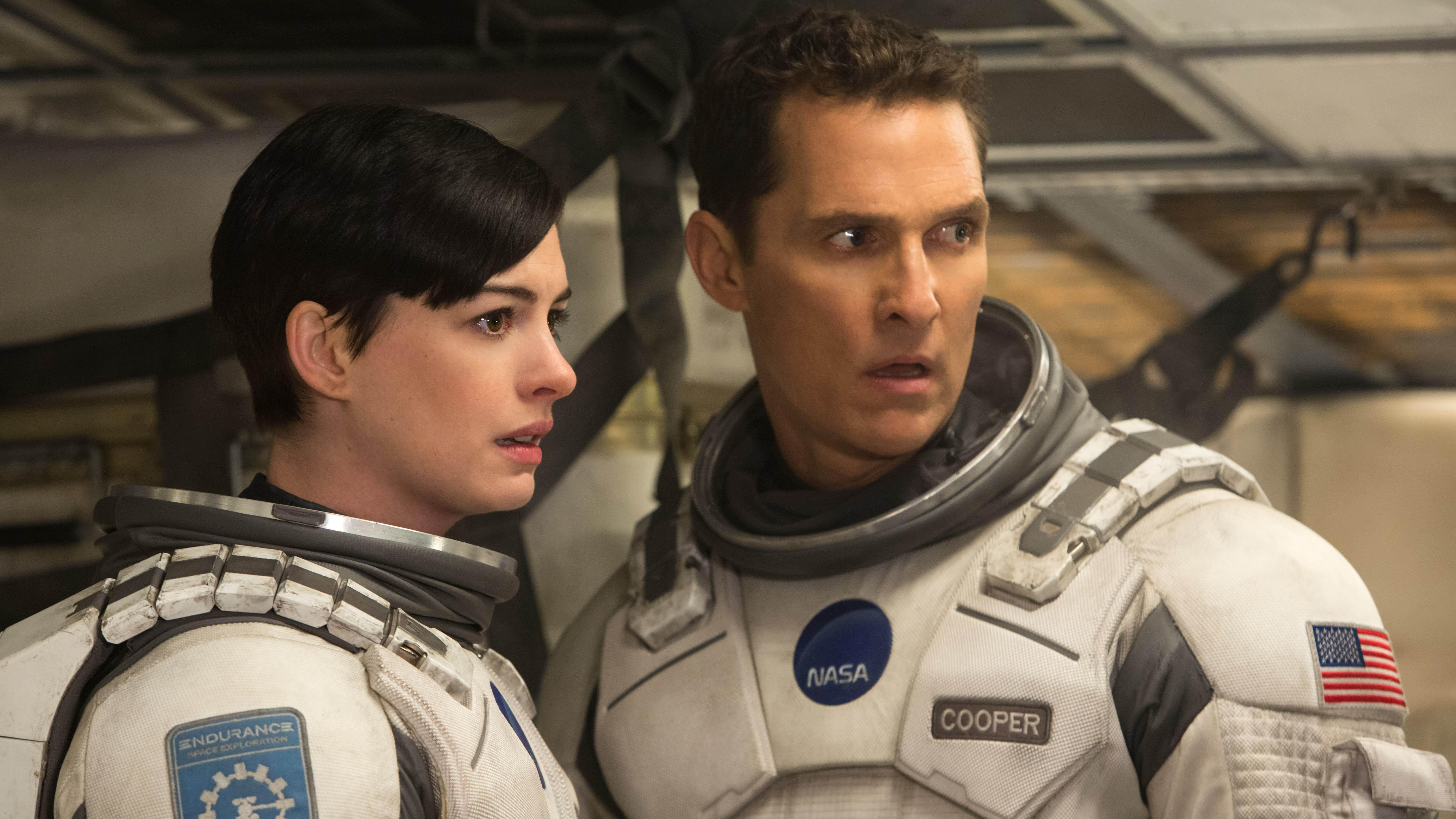
One of the key strengths of “Interstellar” lies in its rich character development and the ability to forge an emotional connection with its audience. The film delves into the complex relationship between Cooper, a former NASA pilot, and his daughter, Murph. Their bond is portrayed with such depth that it becomes the emotional core of the narrative, grounding the epic space journey in a relatable human story. Through their separation and the passage of time, viewers experience the heartache and longing that accompany their journey, highlighting the sacrifices made in the name of exploration.
- Complex Relationships: The film intricately explores familial bonds, friendships, and the ethical dilemmas faced by its characters.
- Emotional Stakes: The stakes are not only global but deeply personal, emphasizing the cost of scientific ambition.
- Character Growth: Each character evolves as the story progresses, from Cooper’s transition from reluctant hero to a determined explorer, to Murph’s transformation from a heartbroken child to a brilliant scientist.
Despite these strengths, some critics argue that the film occasionally prioritizes its scientific concepts over character-driven moments, which can dilute the emotional impact. Nonetheless, the movie’s ability to interweave personal narratives with cosmic events remains a testament to its ambition, even if it sometimes wavers in execution.
Cinematic Techniques and Visual Storytelling
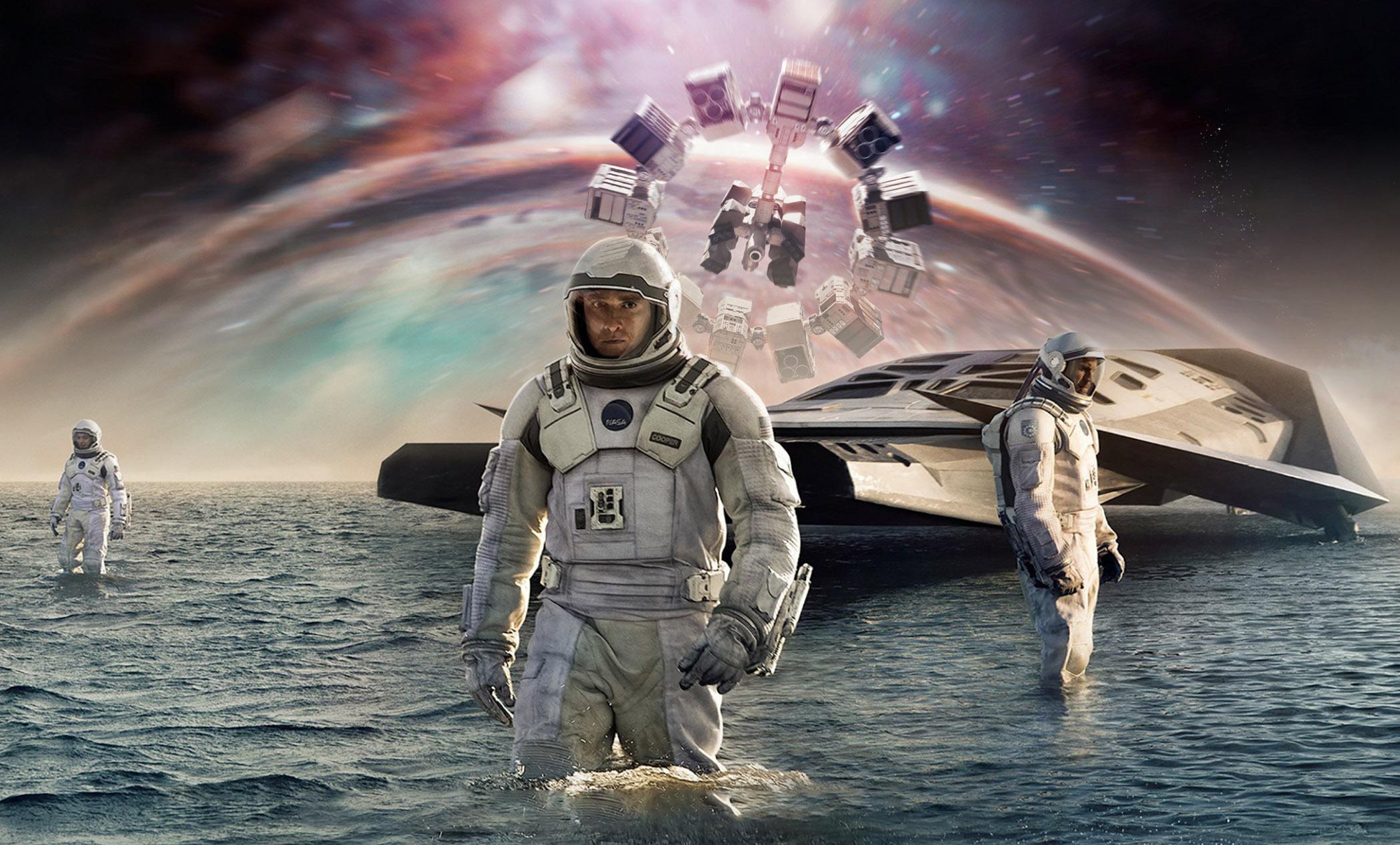
In “Interstellar,” Christopher Nolan employs a variety of cinematic techniques that elevate the film to the status of a visual spectacle. One of the standout features is the use of practical effects and realistic set designs to create a sense of authenticity in the depiction of space travel. This approach not only grounds the fantastical elements in reality but also enhances the audience’s emotional connection to the narrative. The film’s use of IMAX cameras further amplifies the immersive experience, allowing viewers to feel the vastness and isolation of space. Coupled with Hans Zimmer’s hauntingly beautiful score, the film crafts a sensory experience that is both awe-inspiring and emotionally resonant.
- Innovative Cinematography: The rotating camera angles during the docking sequences create a visceral sense of tension and urgency.
- Visual Symbolism: The juxtaposition of vast, desolate landscapes with intimate human moments underscores the film’s exploration of isolation and connection.
However, the film’s ambitious visual storytelling sometimes comes at the expense of narrative coherence. While the stunning visuals captivate, they occasionally overshadow character development and thematic clarity. Nolan’s choice to prioritize grandiose imagery over nuanced storytelling results in a film that, while visually striking, leaves some narrative threads feeling underdeveloped. This dichotomy between spectacle and story is where “Interstellar” both shines and falters, making it a fascinating study in the balance of visual and narrative elements in cinema.
Balancing Ambition with Narrative Coherence
Christopher Nolan’s Interstellar is a cinematic tour de force that dares to push the boundaries of science fiction, but its ambition sometimes clashes with the need for narrative coherence. The film’s exploration of complex scientific theories, such as time dilation and higher-dimensional space, is nothing short of audacious. Nolan’s commitment to scientific accuracy, with input from physicist Kip Thorne, lends the film an authenticity that few other sci-fi movies can claim. However, this dedication to realism can occasionally lead to convoluted plot points that may leave some viewers puzzled.
- The film’s intricate plot structure, while intellectually stimulating, sometimes sacrifices emotional depth for scientific exposition.
- Character motivations can occasionally feel secondary to the film’s larger thematic goals, leading to moments where personal stories are overshadowed by cosmic phenomena.
- Some critics argue that the film’s ambitious scope leads to pacing issues, as it tries to balance its vast array of ideas with the demands of storytelling.
While Interstellar is undoubtedly a bold cinematic achievement, its quest to explore the unknown sometimes tugs at the seams of its narrative fabric. Balancing such grand ambition with a coherent story is a challenge, one that Nolan navigates with varying degrees of success.
