
In the ever-evolving landscape of cinematic fantasy, where visual effects and storytelling techniques continually push the boundaries of imagination, the enduring legacy of Peter Jackson‘s “The Lord of the Rings” trilogy invites both admiration and scrutiny. Released between 2001 and 2003, these films have been celebrated for their ambitious adaptation of J.R.R. Tolkien‘s seminal work, garnering critical acclaim and a devoted fan base. However, as modern fantasy films emerge with advanced technology and diverse narratives, a pertinent question arises: Does “The Lord of the Rings” trilogy still hold its ground against its contemporary counterparts? This article delves into the trilogy’s cinematic achievements and potential shortcomings, assessing its relevance and impact in the context of today’s fantasy film landscape. Through an analytical lens, we explore whether the epic journey through Middle-earth continues to captivate audiences or if it has been overshadowed by the new wave of fantasy storytelling.
Legacy of Storytelling and World-Building in The Lord of the Rings
The impact of J.R.R. Tolkien’s work on the art of storytelling and world-building remains profound and enduring. Tolkien’s Middle-earth is a masterclass in creating a living, breathing world that extends far beyond the narrative itself. The meticulous attention to detail in crafting languages, histories, and cultures provides a depth rarely seen in modern fantasy films. This comprehensive approach allows audiences to immerse themselves fully in a universe that feels both expansive and intimately real.
- Complex Characters: The trilogy offers a range of characters who are not only diverse in their backgrounds and motivations but also undergo significant development throughout the story.
- Rich Lore: The extensive backstory and mythology enrich the narrative, giving viewers a sense of the world’s age and depth.
- Intricate Plotting: Interwoven storylines create a tapestry of events that are as unpredictable as they are compelling.
While some modern fantasy films focus on spectacle and visual effects, The Lord of the Rings trilogy continues to captivate through its enduring narrative strength and the intricate world that Tolkien so lovingly crafted. This focus on story and setting offers a timeless appeal that many contemporary works strive to emulate.

Visual Effects and Cinematic Techniques: A Comparative Analysis
The Lord of the Rings Trilogy, directed by Peter Jackson, set a benchmark in the early 2000s for visual effects and cinematic techniques that many modern fantasy films still aspire to reach. At the heart of its success was the seamless integration of practical effects with cutting-edge CGI, creating a world that felt both tangible and fantastical. The trilogy’s use of miniatures and matte paintings alongside digital effects provided a level of depth and realism that grounded its high-fantasy narrative. This blend of techniques gave the films a timeless quality, enabling them to stand strong against contemporary CGI-heavy productions.
- Practical Effects: The use of real locations and detailed sets contributed to the immersive quality of Middle-earth.
- Innovative CGI: Weta Digital’s pioneering work in character animation, particularly with Gollum, set new standards in motion capture technology.
- Camera Techniques: Forced perspective and motion control systems were employed to create the illusion of size differences among characters.
In comparison, modern fantasy films often rely more heavily on CGI, sometimes at the expense of the tactile realism that practical effects can provide. While advances in technology have allowed for more visually extravagant scenes, the balance between digital and practical effects seen in The Lord of the Rings remains a gold standard. The trilogy’s ability to combine these elements into a cohesive visual experience continues to influence filmmakers and captivate audiences, ensuring its place in cinematic history.
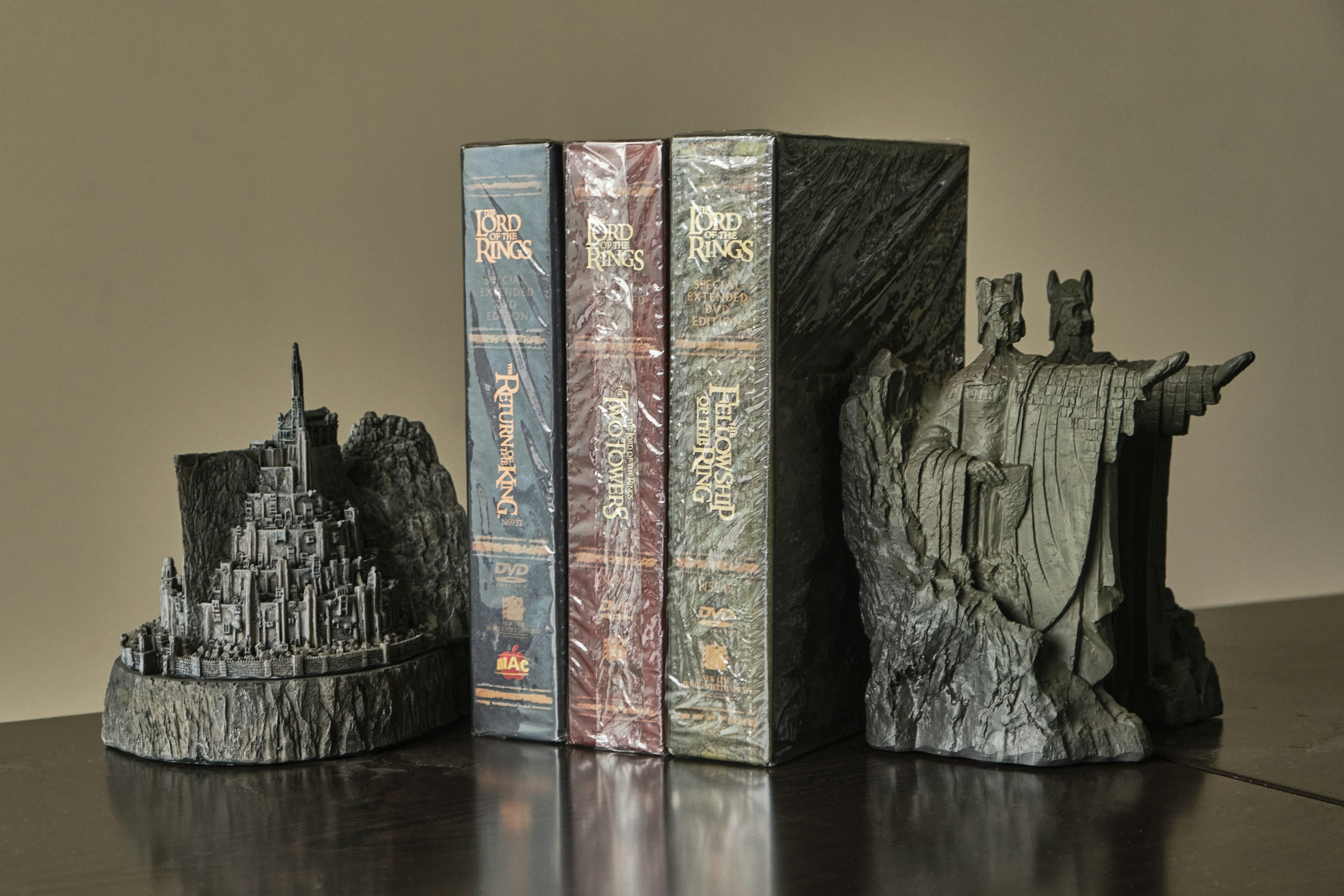
Character Development and Thematic Depth in Modern Fantasy
The Lord of the Rings trilogy, directed by Peter Jackson, has been heralded for its profound character development and thematic depth, elements that continue to be crucial in modern fantasy storytelling. One of the remarkable aspects of the trilogy is its ability to create multi-dimensional characters who embark on transformative journeys. Frodo Baggins, for instance, evolves from a naive hobbit into a symbol of resilience and sacrifice. Similarly, Aragorn’s journey from a reluctant ranger to a determined king reflects themes of destiny and identity, which resonate strongly with contemporary audiences.
- Complexity of Characters: Unlike many modern fantasy films that sometimes rely on archetypal characters, The Lord of the Rings offers a rich tapestry of individuals, each with their own flaws and virtues.
- Themes of Good vs. Evil: The trilogy delves into the nuanced battle between light and darkness, illustrating that even the smallest person can change the course of the future.
- Exploration of Power: Through the One Ring, the films explore the corrupting influence of power, a theme that remains relevant in today’s society.
While some may argue that the pacing or special effects may not match today’s standards, the underlying narrative depth and character arcs ensure that the trilogy maintains its place as a benchmark in fantasy cinema. Modern fantasy films often strive to emulate these aspects, yet the enduring legacy of The Lord of the Rings lies in its ability to weave a timeless tale of heroism, friendship, and the enduring battle between hope and despair.
Recommendations for Enhancing the Timeless Appeal of Middle-earth
To preserve and enhance the enduring charm of Middle-earth, it is crucial to focus on several key aspects that resonate with both long-time fans and new audiences. First, updating visual effects using the latest CGI technology can bring a fresh vibrancy to the landscapes and creatures, ensuring that they stand shoulder-to-shoulder with modern fantasy epics. However, this should be done with caution, preserving the practical effects that give the original films their authentic feel.
Expanding the lore through additional content such as series, spin-offs, or animated adaptations could also attract a broader audience. These should delve into untold stories from the appendices or lesser-known works of Tolkien, offering fresh perspectives while maintaining the rich depth of the original narrative. Additionally, fostering a diverse cast and crew in future adaptations could breathe new life into the beloved franchise, making it more relatable and inclusive. Engaging with the vibrant fan community through interactive experiences and platforms can also help maintain the cultural relevance of Middle-earth in today’s digital age.
- Modernize visual effects without losing authenticity.
- Expand the lore with new series or adaptations.
- Promote diversity in casting and production.
- Engage with fans through interactive platforms.
