
In the realm of television, few series have left as indelible a mark on popular culture as ”Sex and the City.” Premiering in the late 1990s, the show not only captivated audiences with its candid exploration of female friendships and romantic escapades but also became a sartorial spectacle that continues to influence fashion discourse. At the heart of this phenomenon lies the show’s distinctive portrayal of fashion as a dynamic character in its own right—an element that transcends mere aesthetics to engage with deeper narratives of identity and gender expression. This article seeks to critically examine the pivotal role of fashion in “Sex and the City,” exploring how its lavish and often provocative wardrobe choices served as a medium for challenging traditional gender norms and expanding the boundaries of self-expression. By analyzing key sartorial moments and character arcs, we aim to uncover the ways in which the series not only mirrored but also shaped societal perceptions of gender, ultimately leaving a lasting legacy on both the fashion industry and the broader cultural landscape.
Fashion as a Narrative Tool in Sex and the City
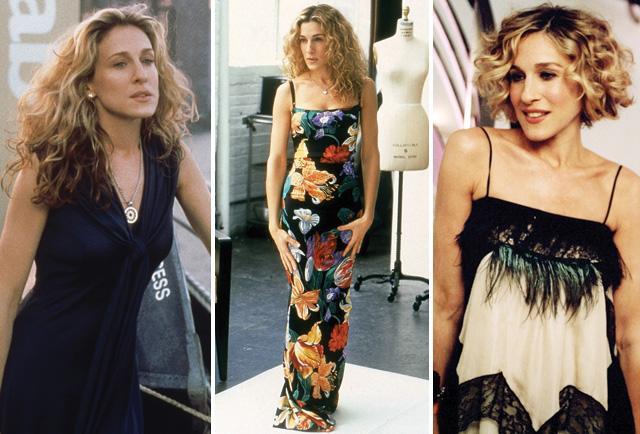
In the vibrant world of “Sex and the City,” fashion serves as a dynamic narrative tool, weaving together themes of identity, empowerment, and personal evolution. The show’s characters, especially Carrie Bradshaw, utilize their wardrobes not just as a means of self-expression but as a vehicle for storytelling. Through bold choices and eclectic ensembles, they challenge traditional gender norms and redefine femininity. Fashion becomes a language—one that communicates desires, fears, and aspirations. The iconic tutu skirt or the extravagant designer gowns worn by Carrie aren’t merely sartorial choices; they are statements that articulate her journey of self-discovery and autonomy.
The series uses fashion to explore and expand the boundaries of gender expression, reflecting the diverse and complex identities of its characters. The wardrobes of Miranda, Charlotte, and Samantha each tell unique stories, often mirroring their personal growth and societal roles. For instance, Miranda’s transition from corporate suits to more relaxed, colorful attire signifies her evolving confidence and comfort in her skin. Key elements of fashion as narrative include:
- Identity Construction: Clothing choices that reveal or conceal aspects of personal identity.
- Cultural Commentary: Outfits that critique or celebrate societal norms.
- Emotional Expression: Attire that reflects the inner emotional states of characters.
These elements demonstrate how fashion in “Sex and the City” transcends mere aesthetics, becoming an integral part of the storytelling process that resonates with viewers on multiple levels.
Deconstructing Gender Norms Through Costume Design
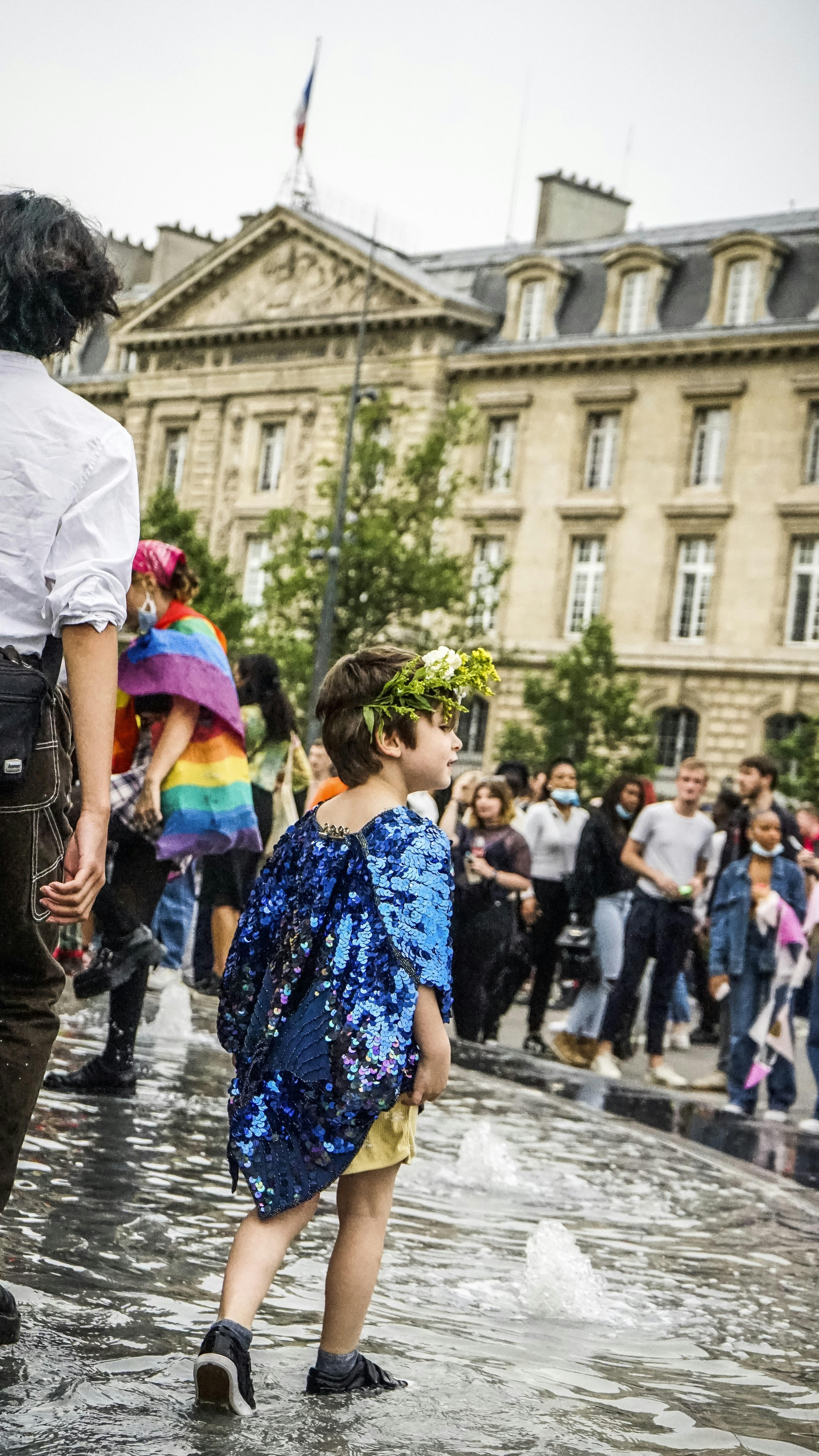
- The groundbreaking series “Sex and the City” was more than just a cultural phenomenon; it was a sartorial revolution that challenged traditional gender norms through its innovative costume design.
- The wardrobe choices in the show offered a kaleidoscope of gender fluidity, blending masculine and feminine elements seamlessly. For instance, Carrie Bradshaw’s iconic mix of tulle skirts with rugged leather jackets subverted the classic notions of femininity and masculinity, providing a visual commentary on the fluid nature of gender identity.
Costume designer Patricia Field played a pivotal role in this transformation by deliberately selecting pieces that blurred gender lines. Samantha’s power suits and Charlotte’s occasional forays into more androgynous styles served as bold statements against rigid gender expectations. These choices not only expanded the viewers’ understanding of gender expression but also empowered audiences to embrace a more nuanced approach to their personal style. By breaking away from conventional fashion norms, “Sex and the City” became a vehicle for broader discussions on gender, encouraging viewers to question and redefine their own identities.
The Influence of Sex and the City on Modern Gender Expression
Sex and the City was not just a television show; it was a cultural phenomenon that redefined how fashion is perceived in relation to gender expression. The series showcased an array of sartorial choices that blurred traditional gender norms, empowering individuals to explore their identities through clothing. From Carrie Bradshaw’s bold, eclectic wardrobe to Samantha Jones’s powerful, androgynous ensembles, the show illustrated that fashion could be a vehicle for self-expression beyond binary gender constraints.
The impact of the show on modern gender expression can be seen in several ways:
- Breaking Stereotypes: Characters frequently challenged societal norms, showing that femininity could be powerful and masculinity could be soft.
- Inclusivity in Fashion: The diverse fashion choices encouraged viewers to embrace unique styles that resonated with their personal identity, regardless of gender.
- Empowerment through Style: By presenting fashion as an extension of one’s personality, the series inspired a generation to express their true selves confidently.
Through its fashion-forward lens, Sex and the City played a pivotal role in normalizing the idea that gender expression is a spectrum, not a set of fixed rules. This cultural shift has contributed to a broader acceptance and celebration of diverse gender identities in today’s society.
Recommendations for Future Research on Fashion and Gender Dynamics
- Explore Intersectionality: Future research should delve deeper into how fashion in “Sex and the City” intersects with other aspects of identity such as race, class, and sexuality. This could illuminate the multifaceted ways in which fashion influences gender expression across diverse demographics.
- Examine Fashion’s Role in Non-Binary Expression: As discussions around non-binary and fluid gender identities become more prevalent, it is crucial to investigate how fashion in the series can serve as a medium for expressing non-traditional gender identities. This could offer insights into the evolution of fashion as a tool for challenging binary gender norms.
- Analyze Longitudinal Influence: A longitudinal study on how “Sex and the City” has influenced fashion trends over time could provide a comprehensive understanding of its impact on gender expression. This research could track changes in public perceptions and acceptance of diverse gender expressions influenced by the series.
- Consider Psychological Impacts: Investigating the psychological effects of fashion as depicted in the series on viewers’ perceptions of gender roles could be enlightening. This could reveal how media representations shape or reinforce gender expectations through fashion.
- Study Cross-Cultural Interpretations: Research should also consider how the fashion dynamics in ”Sex and the City” are interpreted across different cultures and how these interpretations influence local gender norms and expressions. This cross-cultural analysis could highlight the global reach and adaptability of fashion as a form of gender expression.
