
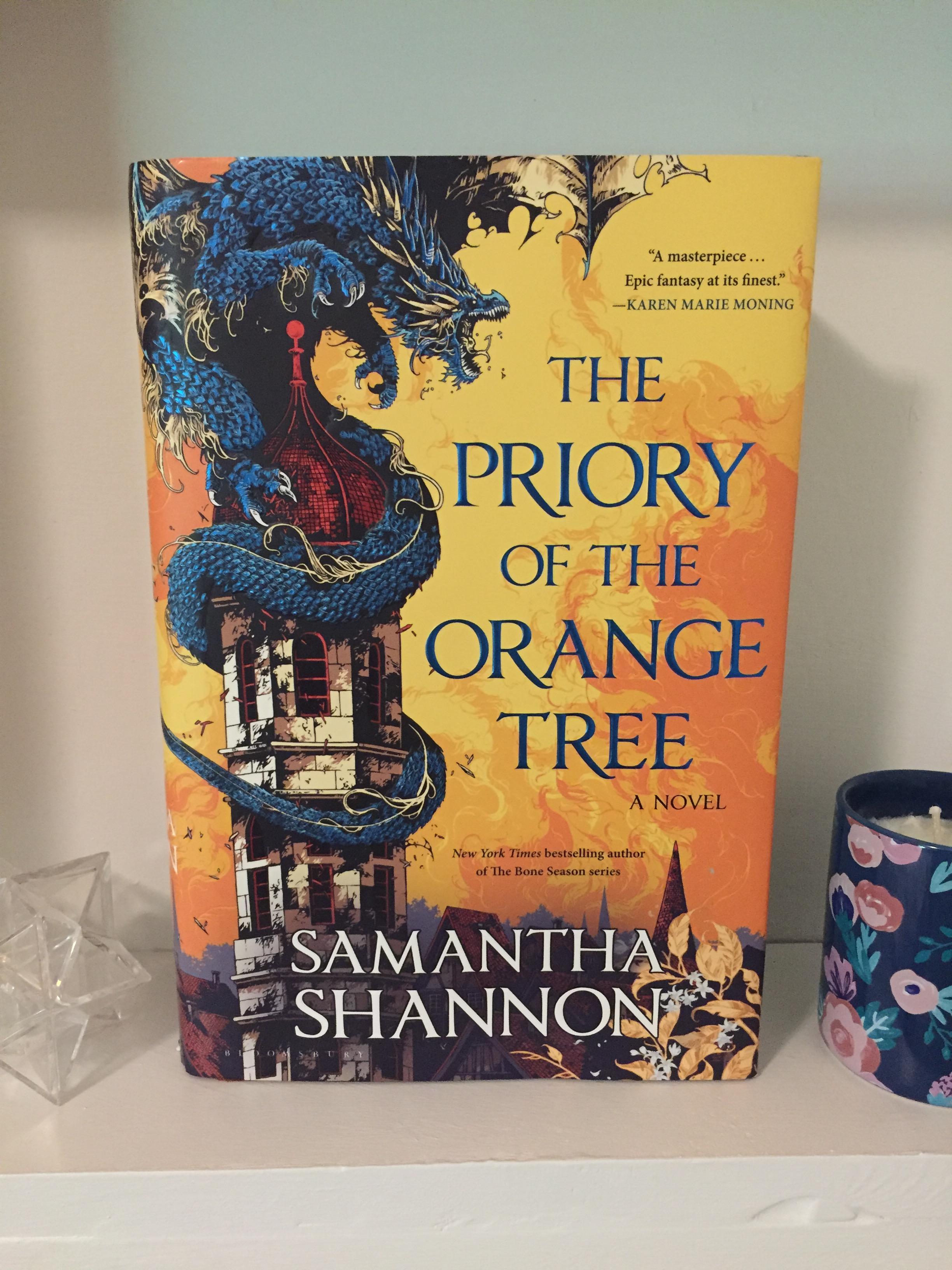
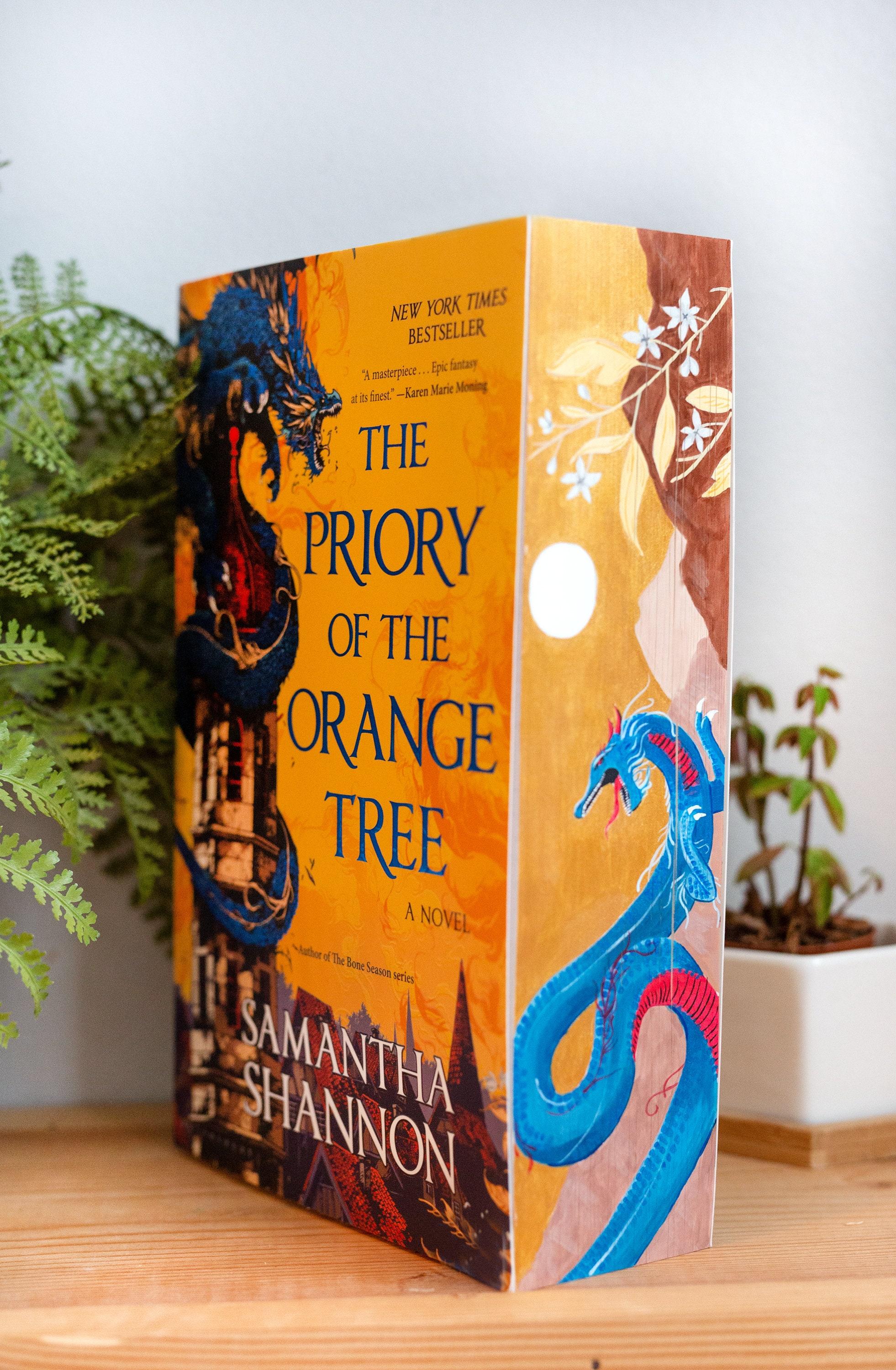
In the realm of fantasy literature, few works have captured the intricate interplay of magic and human emotion as effectively as Samantha Shannon’s “The Priory of the Orange Tree.” This epic novel, set in a richly imagined world teetering on the brink of destruction, delves deep into themes of power, loyalty, and the multifaceted nature of betrayal. Through a tapestry of interwoven narratives and diverse characters, Shannon explores how the pursuit of magic can both unite and divide, serving as a catalyst for both profound alliances and devastating treachery. This article seeks to analyze the complex dynamics of magic and betrayal within the novel, examining how these elements not only drive the plot but also reflect broader questions about trust, ambition, and the human condition. By dissecting key interactions and pivotal moments, we aim to uncover the nuanced ways in which Shannon crafts a narrative that is as much about personal transformation as it is about epic battles and mythical creatures.
Exploring the Intricacies of Magic Systems in The Priory of the Orange Tree
The magic systems in The Priory of the Orange Tree are as intricate as they are pivotal to the story’s unfolding. At the heart of this fantastical narrative lies a dualistic magical framework that distinguishes between sacred magic and prohibited sorcery. Sacred magic, primarily wielded by the Priory, is deeply rooted in the natural world and is characterized by its life-affirming properties. It is often depicted through elements such as fire and earth, emphasizing a harmonious relationship with nature. On the other hand, prohibited sorcery represents a more chaotic and dangerous force, often associated with the sinister Draconic threats looming over the realms.
Key features of the magic system include:
- Elemental Manipulation: Characters can manipulate elements, drawing strength from their environment to combat threats.
- Symbolic Rituals: Magic is often accessed through complex rituals, requiring deep knowledge and precise execution.
- Intertwined Histories: The origins of magic are interwoven with the world’s history, affecting political dynamics and personal allegiances.
The interplay between these magical paradigms not only enriches the narrative but also serves as a backdrop for themes of betrayal and loyalty. As characters navigate their allegiances, the consequences of wielding such power become increasingly evident, making the understanding of magic crucial for both survival and moral integrity.
Unraveling Themes of Betrayal and Loyalty Among Key Characters
Within the intricate tapestry of “The Priory of the Orange Tree,” the interplay of betrayal and loyalty is vividly explored through the actions and motivations of its key characters. The novel delves into the duality of human nature, where alliances are often tested by ambition and fear. Ead Duryan, for instance, embodies unwavering loyalty to her queen and the ancient order she serves. Her dedication is juxtaposed with the clandestine nature of her mission, raising questions about the cost of loyalty when shrouded in secrecy. In contrast, the character of Niclays Roos represents the complexity of betrayal. His actions, driven by desperation and a longing for redemption, highlight the blurred lines between self-preservation and treachery.
The narrative further enriches this theme through:
- Interpersonal relationships: How trust is built and broken among allies and foes.
- Cultural divides: The tension between different realms and beliefs, influencing acts of betrayal.
- Personal ambitions: Characters face moral dilemmas where personal goals conflict with communal loyalty.
This dynamic interplay challenges readers to consider the multifaceted nature of trust and the profound impact of both betrayal and loyalty on the fate of individuals and empires alike.
The Role of Historical Influence in Shaping Magical Realms
In Samantha Shannon’s “The Priory of the Orange Tree,” the intricate tapestry of the magical realms is deeply woven with threads of historical influence. Mythology and folklore play pivotal roles, grounding the fantastical elements in familiar narratives. Shannon masterfully draws on a variety of cultural myths, transforming them into a rich backdrop that feels both timeless and innovative. The juxtaposition of dragons and religious sects echoes age-old legends, while the power struggles between different realms mirror historical conflicts that have shaped our own world.
- Cultural Mythology: Integrating dragons and other mythical creatures, Shannon pays homage to diverse cultural lore.
- Historical Parallels: The power dynamics within the narrative reflect historical empires and their rise and fall.
- Religious Influence: The novel’s religious factions draw on historical precedents, exploring themes of faith and heresy.
This blend of history and magic not only enriches the narrative but also provides a layered understanding of how historical contexts can shape fictional worlds. Through this lens, readers are invited to explore the complexities of power, belief, and identity, seeing reflections of real-world issues within the fantastical. Shannon’s work stands as a testament to how the past continues to influence and inspire the creation of magical realms.
Character Development Through the Lens of Trust and Deception
In “The Priory of the Orange Tree,” the intricate dance between trust and deception is a pivotal element that drives character development and shapes the narrative arc. The novel deftly explores how characters evolve through their interactions, with trust acting as a fragile yet essential component in their relationships. As protagonists navigate a world teetering on the brink of chaos, their ability to trust—or their choice to deceive—often becomes a defining moment in their personal journeys. Trust is not simply a binary state but a spectrum that characters traverse, leading to revelations and betrayals that are as personal as they are political.
- Complex Alliances: Characters form alliances not just based on shared goals but also on mutual suspicions, reflecting the nuanced nature of trust.
- Inner Conflicts: Many characters grapple with internal dilemmas, where the act of trusting another becomes a metaphor for their own self-acceptance or denial.
- Deceptive Facades: Deception is employed as a tool for survival, often revealing deeper truths about a character’s moral compass and the societal structures they navigate.
Through these elements, the novel crafts a rich tapestry where trust and deception are not merely plot devices but integral to the essence of character growth. Each decision to trust or deceive reverberates through the narrative, leaving indelible marks on both personal and political landscapes.
