
In recent years, historical fiction has gained immense popularity for its ability to bring the past to life, offering readers a lens through which to explore significant events and eras. One such novel, “The Tattooist of Auschwitz” by Heather Morris, has captivated audiences with its poignant narrative set against the harrowing backdrop of the Holocaust. However, the book has also sparked a critical debate: does it inadvertently romanticize one of history’s greatest tragedies? This article seeks to analyze the multifaceted perspectives surrounding this question, examining the delicate balance authors must strike between storytelling and historical fidelity. By dissecting the narrative choices and their implications, we aim to provide a comprehensive understanding of the controversies and conversations that “The Tattooist of Auschwitz” has ignited within literary and historical circles.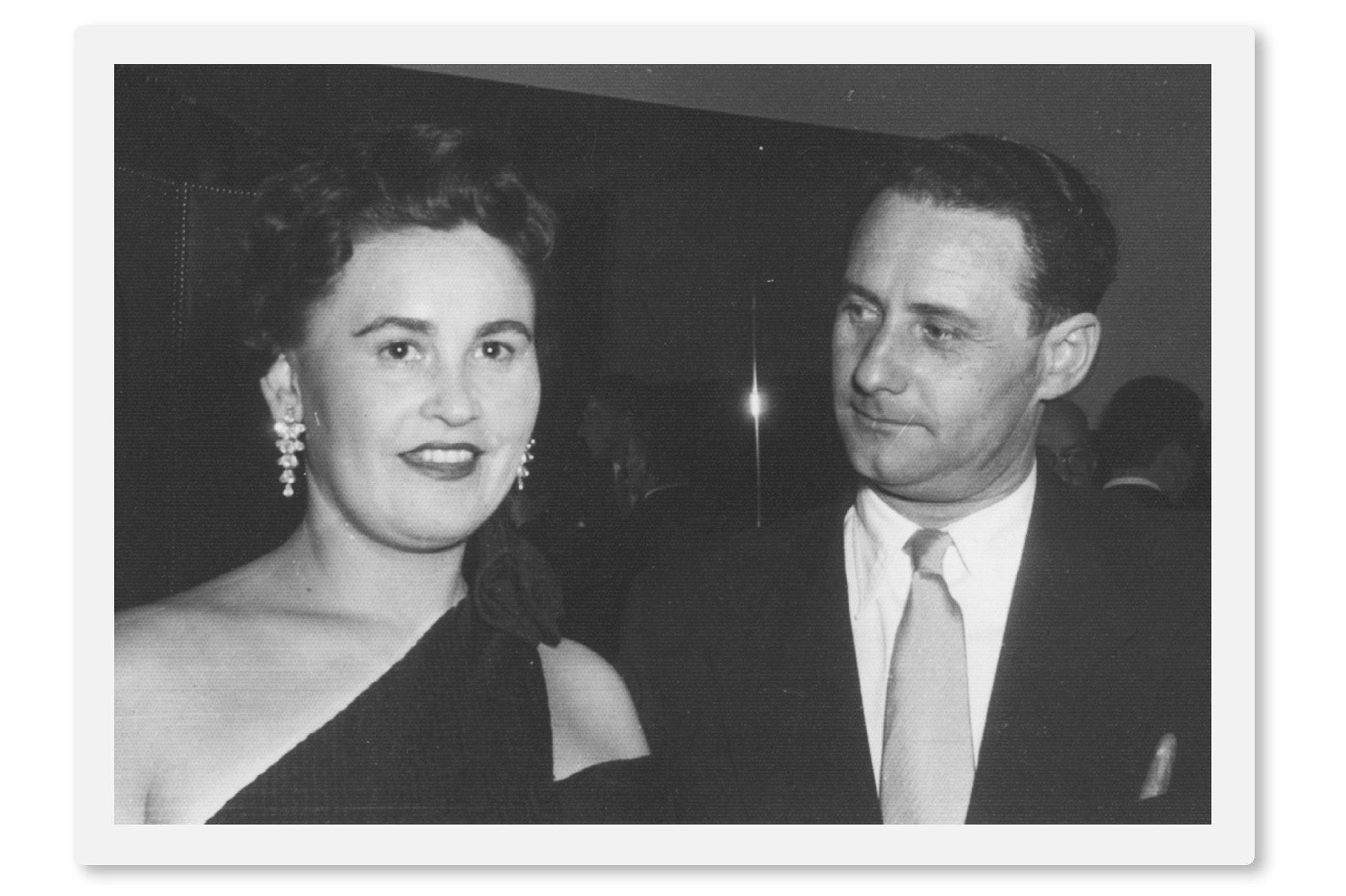
Understanding the Narrative: Analyzing the Balance Between Historical Fiction and Sensitivity
In evaluating the delicate balance between historical fiction and sensitivity, particularly in works like The Tattooist of Auschwitz, it’s essential to consider how authors navigate the complexities of blending fact with fiction. Historical fiction, by its nature, invites creative interpretation. However, when the backdrop involves significant human suffering, such as the Holocaust, the narrative’s responsibility to historical accuracy and emotional truth becomes paramount. Critics argue that romanticizing tragedy can inadvertently diminish the gravity of real events, potentially leading to misunderstandings about the past. This concern raises several questions:
- Does the narrative oversimplify historical events to enhance storytelling?
- Are the characters and their experiences portrayed with authenticity and respect?
- How does the story contribute to or detract from the collective memory of the tragedy?
Balancing narrative engagement with historical integrity is a challenging task. Authors must navigate these waters carefully, ensuring that their storytelling honors the lived experiences of those who endured the events. In the case of The Tattooist of Auschwitz, the conversation about its portrayal of romance amidst tragedy invites a deeper examination of how fiction can influence our understanding of history. The dialogue around this topic serves as a reminder of the power and responsibility inherent in crafting stories rooted in historical events.

Evaluating Reader Reception: How Audiences Perceive Romantic Elements in Tragic Contexts
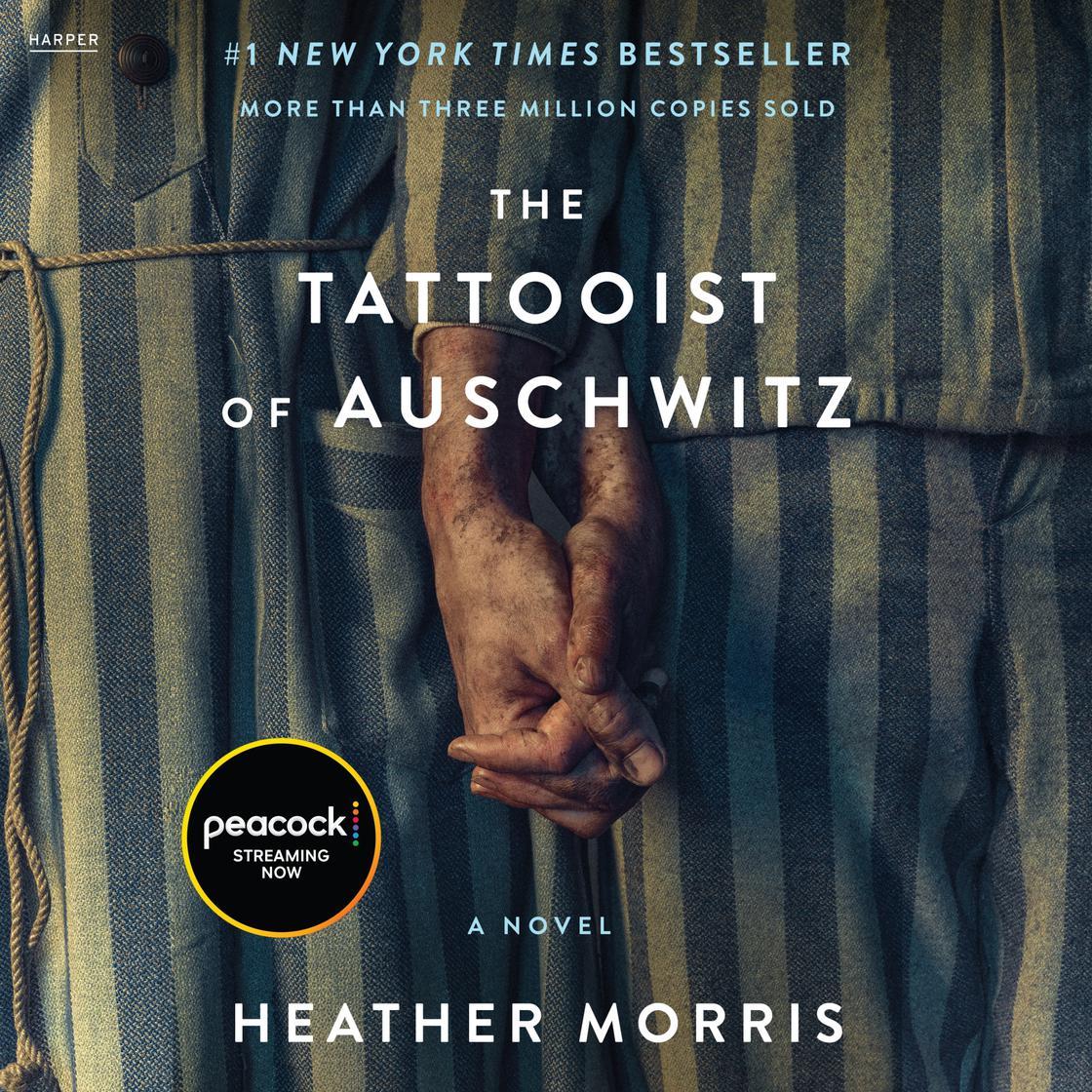
Understanding how audiences perceive romantic elements within tragic contexts requires a nuanced exploration of reader reception. When examining works like “The Tattooist of Auschwitz,” reactions often vary significantly. Some readers may appreciate the narrative’s ability to highlight the resilience of love amidst dire circumstances, offering a glimmer of hope. For these audiences, the romantic subplot can serve as a powerful juxtaposition against the backdrop of historical atrocity, emphasizing human connection and survival.
Conversely, there are readers who critique the romanticization of tragedy, arguing that it may inadvertently downplay the gravity of the historical events depicted. These individuals might feel that incorporating romantic elements risks trivializing the suffering experienced by countless individuals during the Holocaust. Key concerns include:
- The potential for overshadowing the somber historical context.
- Risk of simplifying complex human experiences into a romantic narrative.
- Possible insensitivity to the memories of those who endured real-life horrors.
By engaging with diverse perspectives, authors and readers alike can foster a deeper understanding of how romantic elements in tragic settings are received and interpreted.
Authorial Intent vs. Impact: Examining the Purpose Behind Romanticization
In the realm of literature, the tension between authorial intent and impact often emerges as a focal point for critical discussion. When authors craft narratives set against the backdrop of historical tragedies, they must navigate the delicate balance between storytelling and the responsibility of representation. The intent behind romanticizing certain elements within a tragic context can stem from various motives, such as emphasizing resilience, hope, or the human capacity for love amidst horror. Authors might argue that these elements serve to highlight the complexities of human experience and offer readers a way to connect emotionally with historical events.
However, the impact of romanticization cannot be overlooked. Readers and critics may perceive it as a dilution of the tragedy’s severity, potentially overshadowing the harsh realities of the historical events depicted. This can lead to an oversimplification or misinterpretation of history, sparking debates about the ethical implications of such narrative choices. Critics might highlight that while the intention could be to engage a wider audience or offer a different perspective, the resulting impact can inadvertently trivialize the suffering endured by real individuals. Thus, the conversation around authorial intent versus impact remains crucial in understanding how stories are received and interpreted.
- Authorial Intent: Focuses on the author’s reasons for narrative choices.
- Impact: Concerns the audience’s reception and interpretation of the narrative.
Recommendations for Future Works: Approaching Sensitive Historical Topics with Care
When engaging with sensitive historical topics, particularly those involving tragedy, it is crucial to approach them with a balance of respect, accuracy, and sensitivity. Future works should consider the following recommendations to ensure a thoughtful and responsible representation:
- Conduct Thorough Research: Authors should invest time in extensive research, consulting historical records, survivor testimonies, and expert opinions to create a foundation of factual accuracy.
- Engage with Diverse Perspectives: Including voices from various backgrounds, especially those directly impacted, can provide a more nuanced and comprehensive portrayal.
- Prioritize Ethical Storytelling: Ensure that the narrative does not exploit or trivialize the experiences of those who suffered, maintaining a focus on truthfulness and dignity.
- Consult with Historians and Cultural Experts: Collaboration with experts can help in avoiding misrepresentations and in understanding the broader context of the events depicted.
- Facilitate Dialogue and Reflection: Encourage discussions that allow readers to reflect on the complexities and moral implications of historical events.
By implementing these strategies, authors can contribute to a more informed and respectful engagement with history, fostering understanding and empathy among audiences.
