
Tara Westover’s “Educated” has captivated readers worldwide, presenting a compelling narrative that straddles the delicate line between personal triumph and familial discord. As a memoir, it details Westover’s extraordinary journey from a secluded childhood in rural Idaho to earning a PhD from the University of Cambridge, offering a vivid exploration of self-discovery and the transformative power of education. Yet, beneath its inspirational veneer lies a complex tapestry of familial tensions and perceived betrayals, prompting a deeper examination of the memoir’s dual nature. This article seeks to analyze “Educated” through an impartial lens, exploring whether it should be celebrated as an uplifting testament to human resilience or critiqued as an exposé that strains familial bonds. By dissecting the narrative’s core themes and the varied responses it has elicited, we aim to uncover the multifaceted dimensions of Westover’s story and its impact on both her personal legacy and family dynamics.
Understanding the Dichotomy of Inspiration and Betrayal in Educated
In Tara Westover’s memoir, the intricate balance between inspiration and betrayal becomes a compelling narrative force. The book details her journey from a survivalist upbringing in rural Idaho to earning a PhD from Cambridge University. Inspiration is deeply woven into Westover’s story as she defies the odds, overcoming a lack of formal education to achieve academic success. Her resilience and determination serve as a beacon of hope for readers who face their own adversities, illustrating the transformative power of education and self-discovery.
On the other hand, betrayal emerges as a poignant theme, especially in her portrayal of family dynamics. Westover’s decision to write candidly about her upbringing has been viewed by some as a breach of familial loyalty. Her vivid recounting of painful memories and family tensions raises questions about the ethics of exposing personal stories for public consumption. The memoir prompts readers to consider the cost of truth-telling and whether the pursuit of personal authenticity can coexist with the preservation of family bonds. This dichotomy invites a broader reflection on the complexities of personal narratives, where inspiration and betrayal are often two sides of the same coin.

Analyzing Family Dynamics and Personal Growth in Tara Westovers Memoir
At the heart of Tara Westover’s memoir lies a complex tapestry of familial relationships, each thread revealing the intricate dynamics that shape her journey towards self-discovery. Family dynamics in “Educated” are characterized by a delicate balance of loyalty and estrangement, where Westover’s pursuit of education becomes both a catalyst for personal growth and a source of familial tension. Her narrative explores the profound impact of a rigid upbringing, where her parents’ rejection of conventional education and societal norms is met with her burgeoning curiosity and thirst for knowledge. This conflict becomes a central theme, illustrating how familial bonds can simultaneously nurture and stifle personal development.
- Parental Influence: Westover’s father, a dominant and often authoritarian figure, represents the antithesis of the world she seeks to explore. His influence pervades her early life, dictating her perceptions and values.
- Sibling Relationships: Her interactions with her siblings offer a nuanced view of family loyalty, as some support her quest for education while others remain tethered to their parents’ beliefs.
- Personal Evolution: As Westover navigates the complexities of academia, she experiences a transformation that challenges her familial identity, leading to a redefinition of self that is both empowering and isolating.
Through this exploration, “Educated” presents a compelling narrative on the duality of family as both a foundation and a barrier to personal growth, inviting readers to reflect on their own familial influences and the paths they choose to forge.
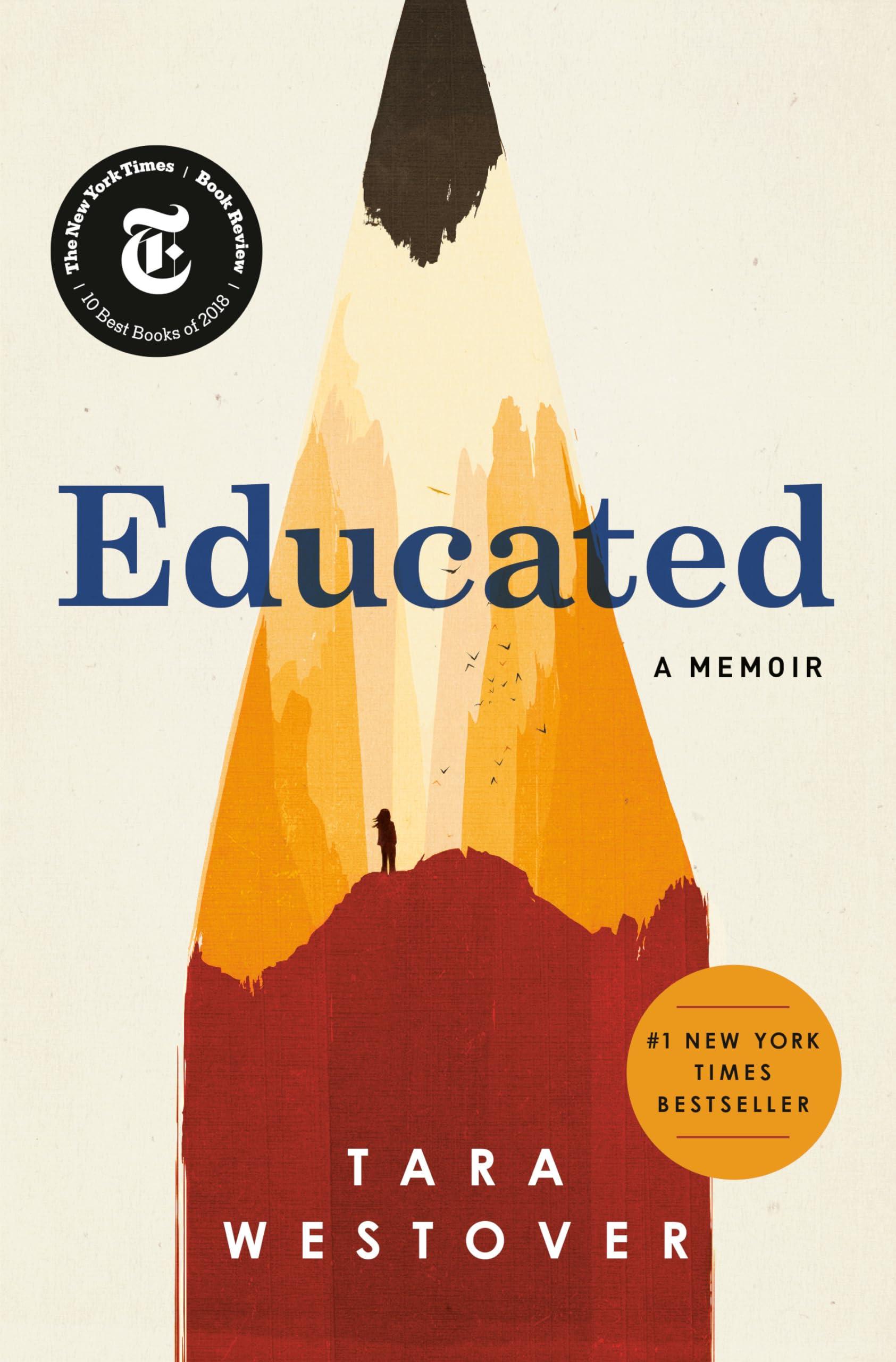
Exploring the Role of Education in Personal Liberation and Familial Conflict
In Tara Westover’s memoir, the transformative power of education is a central theme, illustrating its potential as a tool for personal liberation. Westover’s journey from a secluded upbringing in rural Idaho to earning a PhD from Cambridge University underscores education’s capacity to broaden horizons and challenge ingrained beliefs. For her, education served as a gateway to self-discovery and empowerment, enabling her to question the rigid ideologies she was raised with. Through her story, readers are invited to reflect on how education can act as a catalyst for change, offering new perspectives and opportunities for personal growth.
However, Westover’s pursuit of knowledge also highlights the complexities of familial relationships, often leading to conflict and estrangement. Her educational journey is depicted as a double-edged sword, offering liberation on one hand, while causing tension with her family on the other. This tension is evident in several aspects:
- Value Conflicts: The clash between her academic pursuits and her family’s traditional values often led to misunderstandings and emotional turmoil.
- Identity Struggles: As Westover’s identity evolved through education, it created a rift between her past and present self, complicating her familial bonds.
- Perceived Betrayal: Her family viewed her memoir as a betrayal, illustrating the potential cost of prioritizing personal truth over family loyalty.
Westover’s narrative compels readers to consider the delicate balance between pursuing personal growth and maintaining family ties, raising important questions about the price of education in the context of familial loyalty and love.
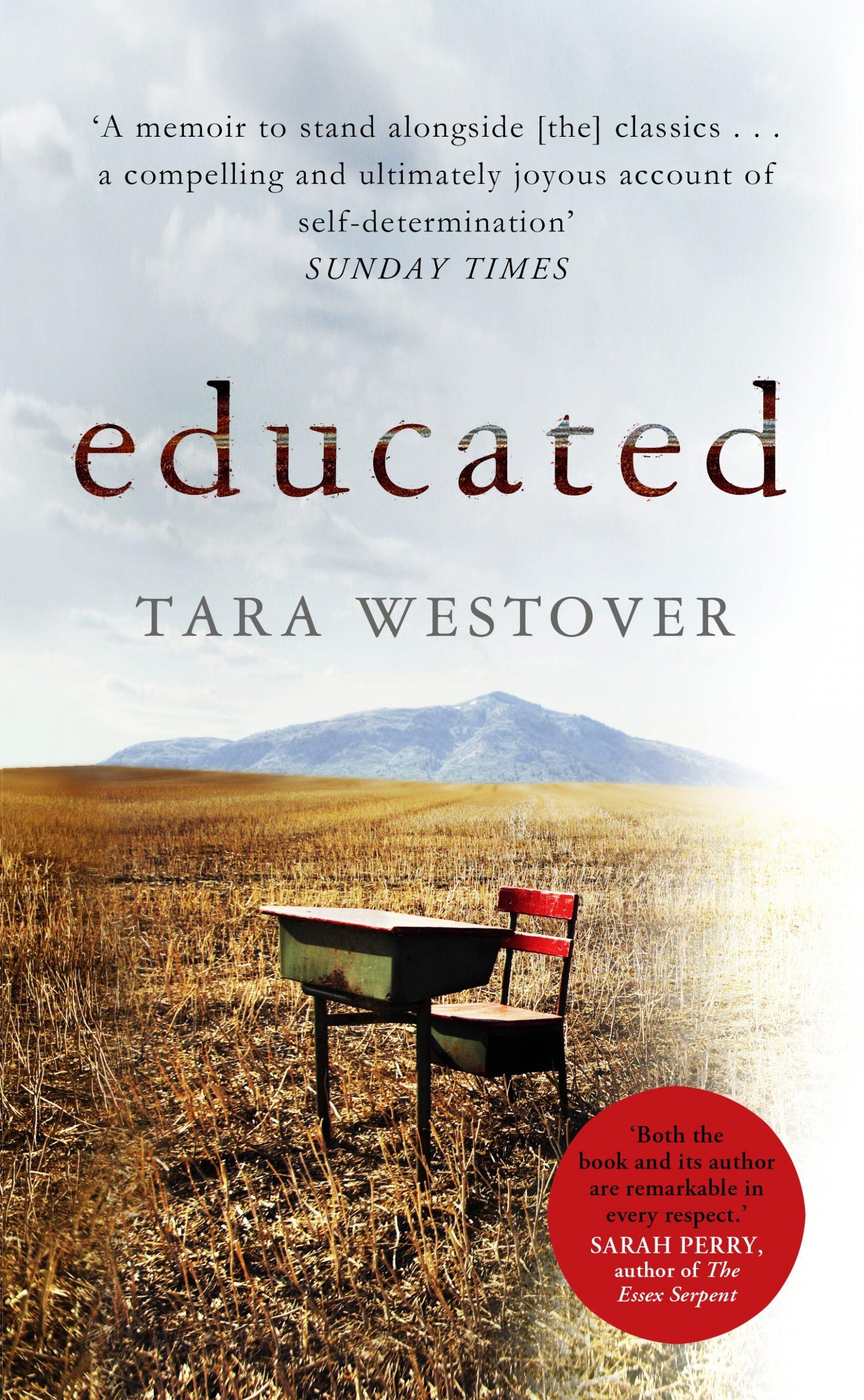
Recommendations for Readers Navigating Complex Narratives in Memoirs
Navigating complex narratives in memoirs like Educated can be both challenging and rewarding. To enhance your understanding and engagement, consider these recommendations:
- Contextualize the Story: Research the historical, cultural, and familial backgrounds that influence the memoir. Understanding the environment in which the author was raised can provide crucial insights into their experiences and choices.
- Recognize Subjectivity: Remember that memoirs are personal accounts. They are shaped by the author’s perceptions and memories, which may not always align with objective facts. Embrace the subjectivity and consider how it shapes the narrative.
- Identify Themes: Look for recurring themes or motifs throughout the book. In Educated, themes of education, family dynamics, and personal growth are prevalent. Identifying these can help in appreciating the memoir’s depth and the author’s journey.
- Engage with Multiple Perspectives: If available, read critiques or alternative viewpoints about the memoir. This can provide a broader perspective and foster a more nuanced understanding of the text.
By employing these strategies, readers can better navigate and appreciate the layered narratives found in memoirs, ultimately enhancing their reading experience.
