
The Cannes Film Festival, an annual celebration of cinematic artistry, has long been a prestigious platform where filmmakers from around the globe showcase their most compelling work. Over the years, the festival has not only served as a launchpad for numerous careers but has also been a barometer of the evolving landscape of world cinema. This article delves into a detailed analysis of the most memorable winners of the Cannes Film Festival, examining the diverse range of films that have captured the coveted Palme d’Or and other significant accolades. By exploring the thematic and stylistic elements that have resonated with juries and audiences alike, we aim to understand the cultural and artistic impact these films have had both within the festival’s storied history and beyond. Through this breakdown, we seek to highlight the enduring influence of Cannes winners on the global cinematic narrative, offering insights into what makes a film truly unforgettable in the eyes of one of the world’s most esteemed film festivals.
Exploring Iconic Palme dOr Recipients and Their Impact
The Cannes Film Festival has been a beacon of cinematic excellence, with its Palme d’Or winners often setting the benchmark for storytelling, innovation, and cultural impact. These films do more than just entertain; they challenge societal norms, explore the human condition, and push the boundaries of what cinema can achieve. Among the most memorable recipients, “Pulp Fiction” by Quentin Tarantino revolutionized the narrative structure with its non-linear storytelling and eclectic dialogue, influencing countless filmmakers and shaping the landscape of 90s cinema. Similarly, “Parasite” by Bong Joon-ho, a more recent winner, masterfully blended genres to comment on social class disparity, resonating globally and sparking conversations about inequality.
These iconic films share common threads that contribute to their lasting impact:
- Innovative Storytelling: Films like “The Tree of Life” and “Blue is the Warmest Color” have been celebrated for their unique narrative approaches and profound thematic depth.
- Cultural Commentary: Many winners, including “Fahrenheit 9/11” and “The Square”, have served as powerful critiques of political and social systems, often stirring controversy and debate.
- Artistic Excellence: The visual and auditory artistry of films like “Apocalypse Now” and “Amour” elevate them to timeless masterpieces, admired for their aesthetic brilliance.
Each Palme d’Or recipient leaves an indelible mark, not only in the annals of film history but also in the broader cultural consciousness, inspiring future generations of filmmakers and audiences alike.
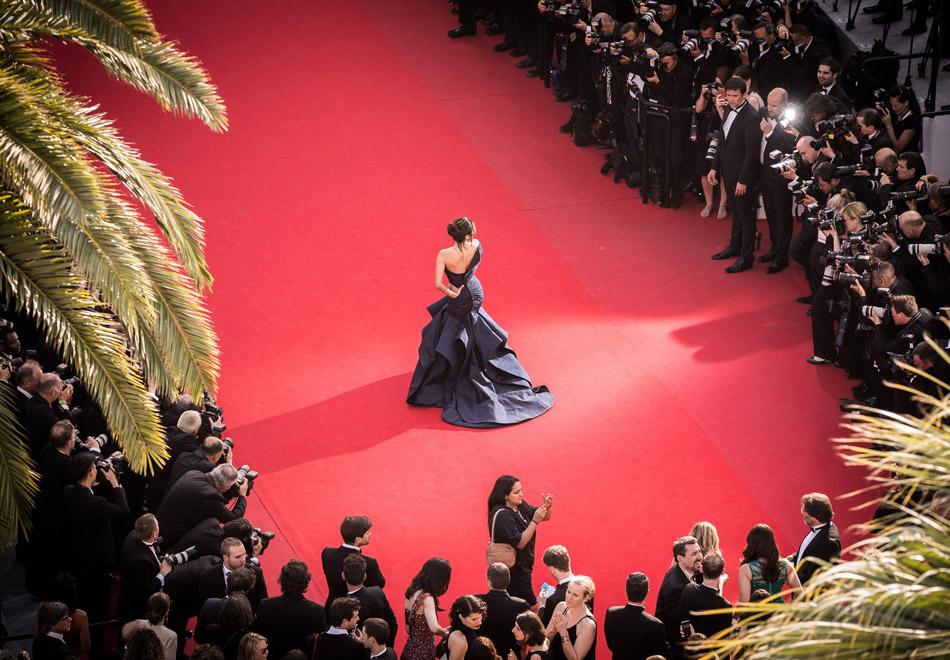
Analyzing Unforgettable Performances that Captivated Cannes
The Cannes Film Festival has long been a stage for the world’s most talented filmmakers to showcase their craft, and over the years, certain performances have stood out for their emotional depth and artistic brilliance. These unforgettable portrayals have not only captivated audiences but also left an indelible mark on the cinematic landscape.
- Isabelle Adjani in “Possession” (1981): Adjani’s visceral performance in Andrzej Żuławski’s psychological horror remains a benchmark in acting intensity. Her portrayal of a woman spiraling into madness is both terrifying and mesmerizing, earning her the Best Actress award.
- Javier Bardem in “No Country for Old Men” (2007): Bardem’s chilling depiction of Anton Chigurh, a hitman with a moral code of his own, was a standout at Cannes. His performance, marked by an eerie calmness and a haunting presence, captured the jury’s attention and won him critical acclaim.
- Juliette Binoche in “Certified Copy” (2010): Binoche’s nuanced performance in Abbas Kiarostami’s romantic drama brought layers of complexity to her character, earning her the Best Actress award. Her ability to convey subtle emotional shifts with grace and authenticity is a testament to her exceptional talent.
These performances not only garnered prestigious awards but also set a high bar for future contenders, illustrating the power of storytelling through captivating character portrayals.
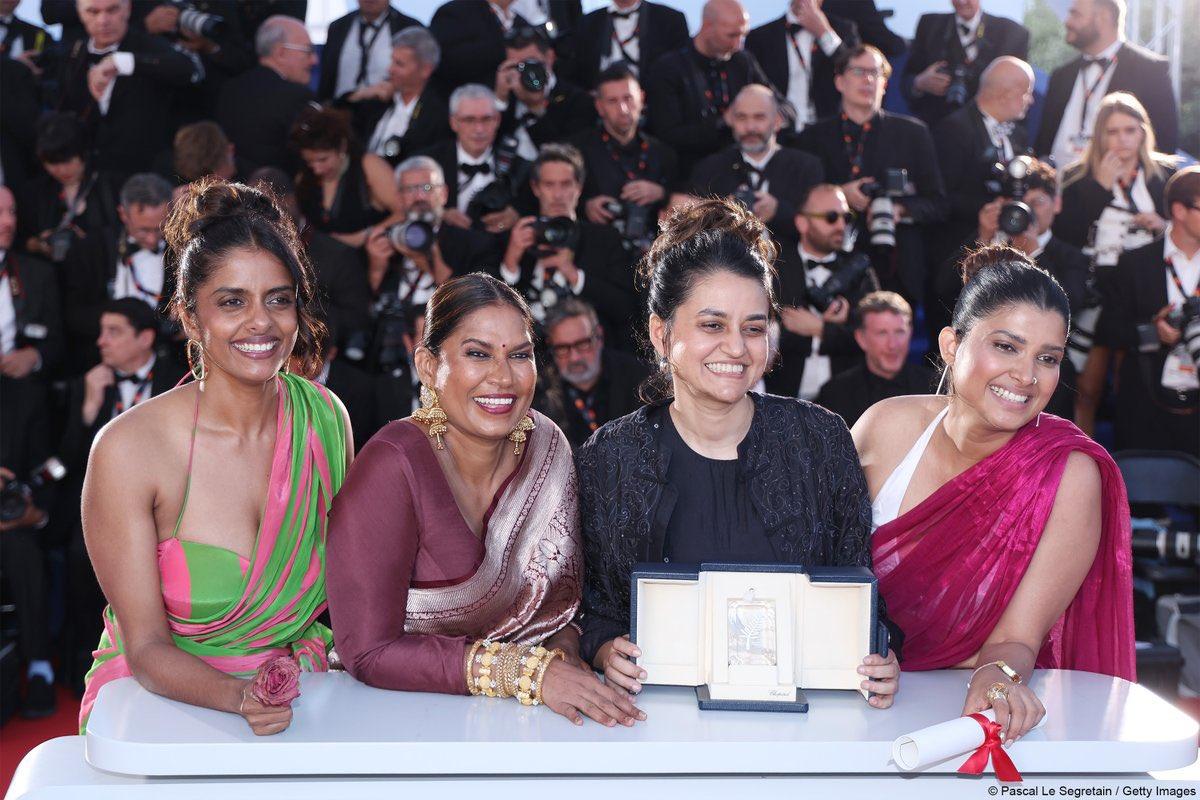
Understanding the Evolution of Cinematic Trends Through Cannes Winners
The Cannes Film Festival, a beacon of cinematic excellence, offers a unique lens through which we can trace the evolution of film trends. By examining the winners of the prestigious Palme d’Or, we gain insights into the shifting preferences and thematic concerns of filmmakers and audiences alike. These award-winning films often reflect broader societal changes, embracing diverse narratives and innovative storytelling techniques. For instance, the triumph of “Parasite” in 2019 highlighted a growing appreciation for genre-blending and socio-political commentary, while earlier winners like “The Pianist” in 2002 underscored a period of introspective historical narratives.
- 1970s – 1980s: A focus on personal and political storytelling, with films like “Apocalypse Now” and “Missing” capturing the zeitgeist.
- 1990s: A surge in international cinema, marked by winners such as “The Piano” and “Pulp Fiction”, showcasing global perspectives and eclectic styles.
- 2000s: A mix of historical and contemporary themes, with works like “Elephant” and “Fahrenheit 9/11” exploring both past and present societal issues.
- 2010s: An era of genre innovation and social critique, exemplified by films like “The Square” and “Shoplifters”, which challenge conventional storytelling.
Each winning film not only represents a snapshot of its time but also influences future filmmakers, perpetuating a dynamic cycle of creativity and reflection within the industry. As such, the Cannes winners serve as a barometer for the ever-evolving landscape of cinema.

Recommendations for Experiencing Cannes Classics at Home
For cinephiles looking to immerse themselves in the magic of Cannes from the comfort of their own homes, there are several ways to recreate the festival’s atmosphere. Start by curating a selection of iconic films that have graced the festival’s screens over the decades. This can include past Palme d’Or winners like Pulp Fiction and The Pianist, which offer a glimpse into the diverse storytelling celebrated at Cannes. Complement these with documentaries and behind-the-scenes features that provide context to the festival’s history and its impact on global cinema.
- Stream Cannes Winners: Many streaming platforms now offer collections of Cannes winners. Look for categories that highlight these films for a festival-like experience.
- Create a Cannes Playlist: Compile a soundtrack of music from these films. The soundscapes of Cannes classics can evoke the festival’s ambiance.
- Host a Virtual Film Discussion: Gather friends online to discuss the themes and cinematic techniques of your chosen films. This mimics the intellectual discourse Cannes is known for.
Utilize these methods to engage with Cannes classics, enhancing your appreciation for the artistry and innovation that define this prestigious festival. With thoughtful preparation, you can transform an evening at home into a cinematic journey worthy of the Croisette.
