
In the ever-evolving landscape of scientific advancement and ethical contemplation, Mary Shelley‘s “Frankenstein” endures as a pivotal literary work that continues to provoke thoughtful discourse. First published in 1818, this iconic novel explores the boundaries of human ambition, the moral implications of unchecked scientific exploration, and the profound consequences of playing God. As we navigate an era marked by rapid technological innovation, genetic engineering, and artificial intelligence, Shelley’s narrative invites a re-examination of the ethical dilemmas that accompany scientific progress. This article seeks to analyze the enduring relevance of “Frankenstein” in challenging contemporary views on science and ethics, questioning whether its themes remain pertinent in guiding modern discourse on the responsibilities of creators and the unforeseen ramifications of their creations. Through an exploration of the novel’s key themes and their intersection with current scientific and ethical debates, we aim to uncover the ways in which Shelley’s cautionary tale continues to resonate in today’s world.
Frankensteins Ethical Dilemmas in the Age of Genetic Engineering
In the realm of genetic engineering, the ethical quandaries posed by Mary Shelley’s Frankenstein are more relevant than ever. The novel invites readers to ponder the consequences of pushing scientific boundaries without considering the moral implications. Victor Frankenstein’s relentless pursuit of knowledge and creation leads to catastrophic outcomes, highlighting the tension between scientific ambition and ethical responsibility. This narrative mirrors current debates in genetic engineering, where the potential to alter human DNA or create life forms through synthetic biology raises questions about playing god, the sanctity of life, and unforeseen repercussions.
As we navigate these modern challenges, several ethical considerations echo those found in Shelley’s tale:
- Consent: Who has the authority to consent to genetic modifications, especially when future generations are affected?
- Equity: How can we ensure that advancements in genetic technology do not exacerbate social inequalities?
- Unintended Consequences: What safeguards are in place to prevent unintended harm from genetic manipulation?
- Moral Responsibility: To what extent should scientists be held accountable for the applications of their discoveries?
These dilemmas compel society to reflect on the balance between innovation and ethical stewardship, a conversation as crucial today as it was in Shelley’s time.

The Role of Responsibility in Scientific Exploration
In Mary Shelley’s “Frankenstein,” the narrative serves as a profound exploration of the scientist’s responsibility towards their creations and the broader implications of their experiments. Victor Frankenstein’s relentless pursuit of knowledge and his subsequent abandonment of the creature highlight the ethical dilemmas that arise when scientific ambition is unchecked. The novel prompts us to consider the balance between innovation and accountability, raising questions about the potential consequences when scientists prioritize discovery over ethical considerations.
- Ethical Boundaries: The narrative challenges readers to reflect on the ethical boundaries that should guide scientific exploration. In an era where advancements in genetics and artificial intelligence are reshaping our world, the cautionary tale of Frankenstein remains strikingly relevant.
- Impact on Society: The story illustrates the societal impact of scientific endeavors, urging a dialogue on how such pursuits should be regulated to prevent harm. By examining Victor’s failure to foresee the ramifications of his actions, Shelley underscores the importance of foresight and responsibility in scientific progress.
Modern Science Through the Lens of Frankensteins Narrative
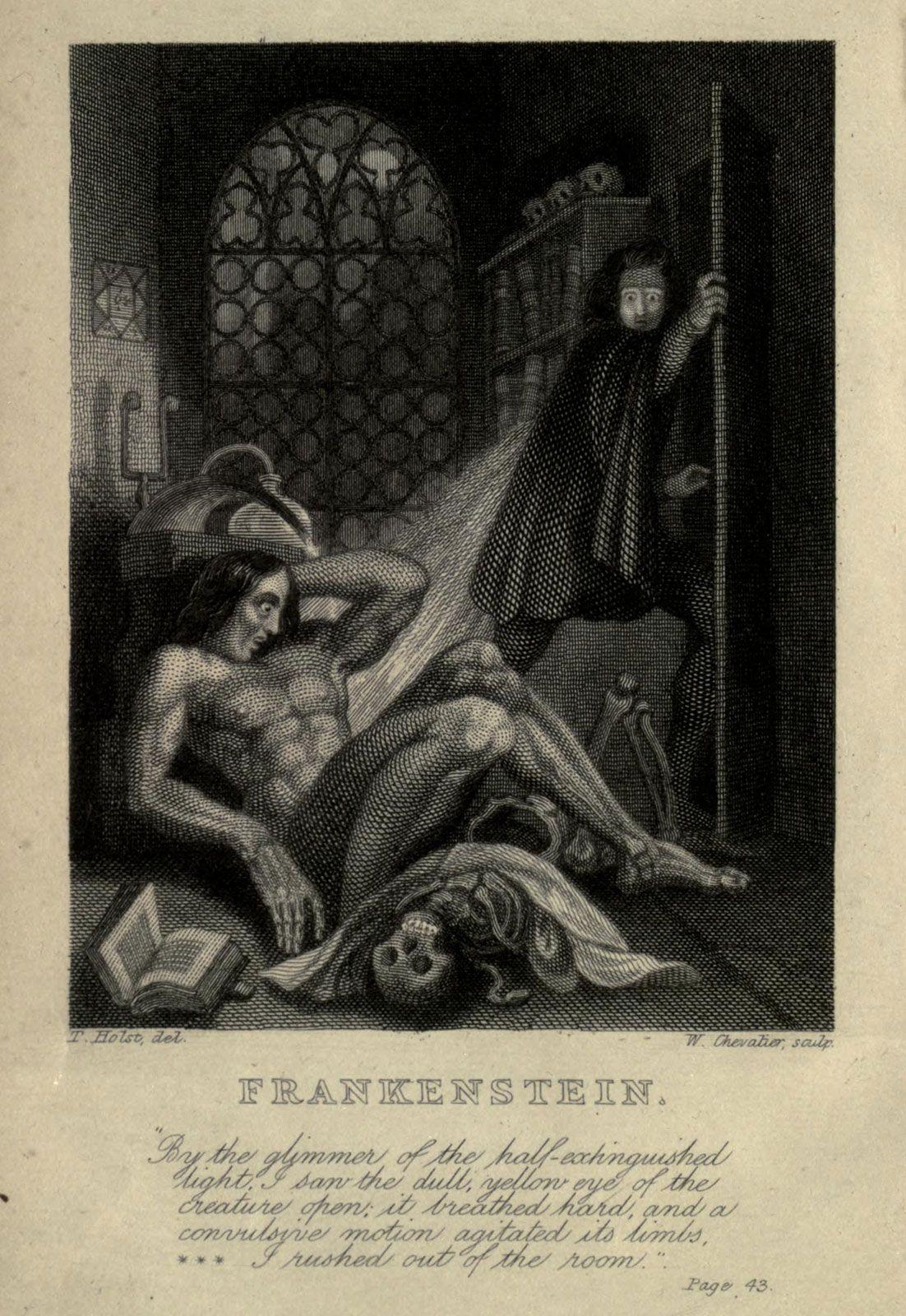
In the realm of modern science, Mary Shelley’s “Frankenstein” emerges as a timeless narrative that invites us to examine the ethical dimensions of scientific advancement. The story of Victor Frankenstein, who dared to transcend the boundaries of life and death, serves as a cautionary tale about the potential consequences of unchecked ambition. In today’s world, where technology evolves at an unprecedented pace, the novel’s themes resonate more profoundly than ever. Genetic engineering, artificial intelligence, and biotechnology are just a few fields where the questions raised by Shelley’s work find new relevance.
- Responsibility: As scientists push the frontiers of what is possible, the narrative reminds us of the responsibility that accompanies such power. Who holds accountability for the unintended outcomes of scientific endeavors?
- Ethical Boundaries: The novel challenges us to define the moral limits of innovation. At what point does the pursuit of knowledge infringe upon ethical principles?
- Humanity: In creating life, Frankenstein grapples with the essence of what it means to be human. How do we ensure that our creations reflect humanistic values?
By exploring these questions, “Frankenstein” continues to provoke thought and dialogue about the implications of scientific progress, urging us to balance our quest for knowledge with a deep sense of ethical consideration.
Recommendations for Integrating Ethical Discourse in Scientific Education
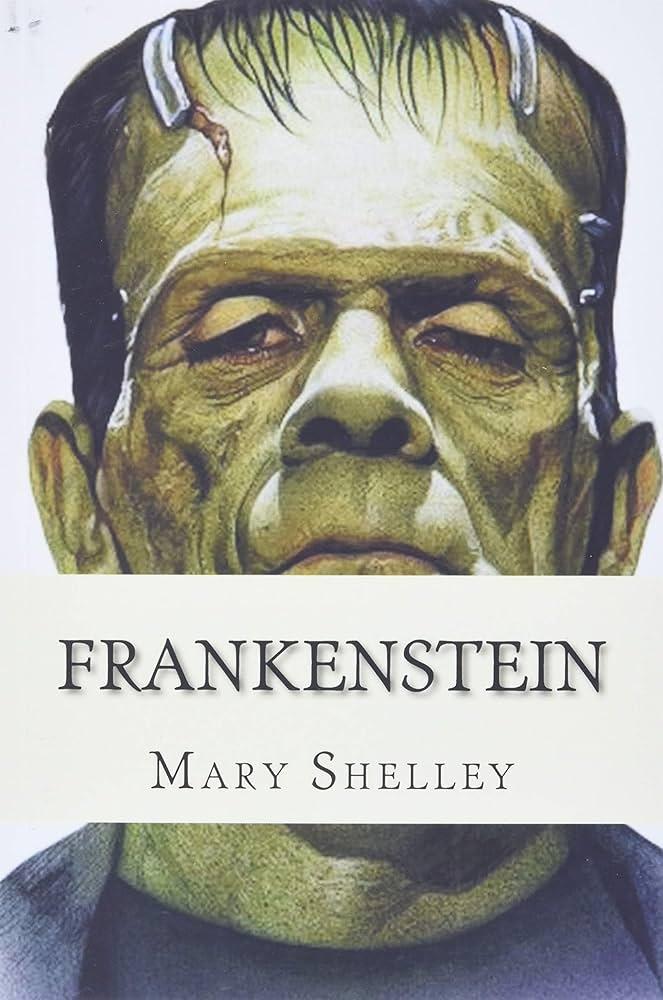
Incorporating ethical discourse into scientific education requires a multifaceted approach that encourages critical thinking and reflection on the broader implications of scientific endeavors. One effective strategy is to integrate interdisciplinary courses that combine science with humanities, fostering a holistic understanding of both fields. By examining texts like Mary Shelley’s Frankenstein, students can explore the ethical dimensions of scientific innovation and the responsibilities that accompany the creation of new technologies.
Another recommendation is to promote active discussions and debates within the classroom. This can be achieved through small group activities where students are tasked with evaluating case studies that highlight ethical dilemmas in scientific contexts. Additionally, incorporating guest lectures from ethicists and scientists can provide diverse perspectives and real-world insights into the ethical challenges faced by today’s researchers. encouraging students to engage in community-based projects can help them understand the societal impact of scientific work and the importance of ethical considerations in addressing real-world issues.
