
Terrence Malick, a luminary in the realm of cinematic artistry, has long captivated audiences with his unparalleled ability to intertwine the natural world with human narratives. His films, renowned for their visual splendor, offer more than mere storytelling; they are meditative explorations of existence itself, set against the backdrop of nature’s grandeur. In “,” we delve into the intricate techniques and thematic preoccupations that define Malick’s oeuvre. By analyzing his distinctive use of light, landscape, and sound, this article seeks to unravel how Malick’s visual language not only pays homage to the natural world but also invites viewers to reflect on their own place within it. Through a neutral lens, we will explore the symbiotic relationship between Malick’s cinematic vision and his profound reverence for nature, highlighting how his work transcends traditional filmmaking to become a poetic dialogue with the earth itself.
Exploring Malicks Cinematic Techniques in Capturing Natures Essence
Terrence Malick’s films are a testament to his unparalleled ability to encapsulate the sublime beauty of the natural world. His cinematic techniques are meticulously crafted to draw viewers into a visceral experience of nature’s grandeur. Through the use of natural lighting, Malick captures the organic hues and textures that bring authenticity to his landscapes. The sunlit glows and shadowed forests become characters in their own right, each frame a painterly masterpiece.
- Long takes: Malick often employs extended shots, allowing the audience to fully immerse in the environment, fostering a meditative viewing experience.
- Wide-angle lenses: These lenses are frequently used to emphasize the vastness and majesty of the natural world, creating a sense of awe and wonder.
- Fluid camera movement: His dynamic and often handheld camera work mirrors the unpredictable and flowing nature of the environments he portrays.
By integrating these techniques, Malick not only documents nature but elevates it to a transcendent realm, inviting viewers to ponder their place within the natural order. His films become an exploration of the intimate relationship between humans and their surroundings, making nature an integral narrative force rather than a mere backdrop.

The Role of Natural Landscapes in Malicks Storytelling
In the films of Terrence Malick, natural landscapes are not merely backdrops but integral components of the narrative fabric. His visual storytelling is imbued with an appreciation for the sublime beauty of the natural world, inviting audiences to engage with the environment on a visceral level. Malick’s work often captures the intricacies of light and shadow, the subtle dance of leaves in the wind, and the expansive grandeur of untouched wilderness. These elements are not just visually arresting but serve as metaphors for the characters’ internal landscapes, often reflecting their emotional and spiritual journeys.
- Cinematic Techniques: Malick employs sweeping camera movements and long takes to immerse the viewer in the environment, allowing nature to become a character in its own right.
- Symbolism and Themes: The recurring presence of natural elements often symbolizes themes of existentialism, spirituality, and the interconnectedness of life.
- Character Development: Characters in Malick’s films frequently interact with their surroundings, suggesting that their destinies are intertwined with the natural world.
By integrating natural landscapes into his storytelling, Malick not only showcases his visual mastery but also encourages a deeper reflection on humanity’s place within the vast tapestry of nature. His films become meditative explorations where the environment is a silent yet profound narrator, shaping the emotional tone and guiding the narrative arc.
Analyzing the Use of Light and Shadow in Malicks Visual Narratives
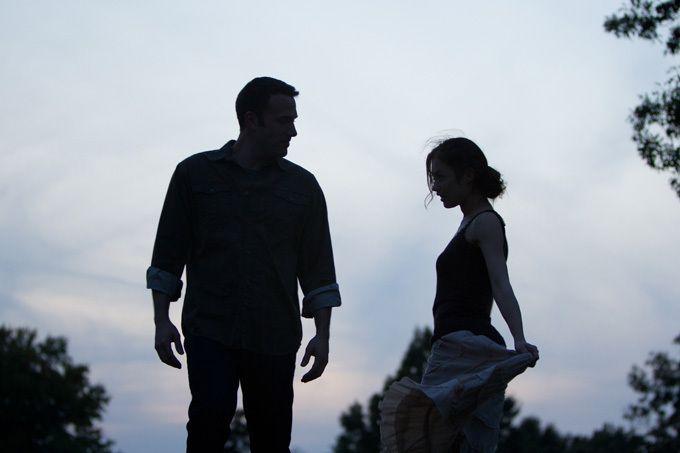
Terrence Malick’s films are renowned for their ethereal quality, a significant aspect of which is his masterful use of light and shadow to craft visual narratives that resonate with emotional depth and poetic sensibility. Malick employs light not just as an aesthetic choice but as a narrative device that communicates the ineffable beauty of nature and the human experience. In his films, light often serves as a metaphor for enlightenment and transcendence, illuminating the inner world of his characters and the landscapes they inhabit.
Key techniques Malick uses to manipulate light and shadow include:
- Natural Lighting: Often opting for natural light sources, Malick captures the authenticity and rawness of his environments, allowing the sun’s glow to guide the visual storytelling.
- Silhouettes and Shadows: By incorporating silhouettes, Malick underscores the mystery and introspection of his characters, using shadows to add depth and contrast to his scenes.
- Golden Hour Filming: The golden hour, with its soft, diffused light, is frequently utilized to create a dreamlike atmosphere that underscores the themes of nostalgia and fleeting beauty.
Through these techniques, Malick not only highlights the tangible beauty of his settings but also delves into the intangible emotions of his narratives, crafting a symphony of light and shadow that is both visually stunning and profoundly moving.

Recommendations for Filmmakers Inspired by Malicks Approach to Nature
For filmmakers inspired by Terrence Malick’s unique approach to nature, embracing his techniques can open new pathways to storytelling that transcend traditional cinematic boundaries. Malick’s films are known for their poetic and meditative quality, often using nature not just as a backdrop but as an integral character. To capture this essence, consider the following recommendations:
- Embrace Natural Light: Filming in natural light can create an organic and authentic atmosphere. Malick often shoots during the “golden hour” to achieve a soft, ethereal quality in his visuals.
- Prioritize Location Scouting: The choice of location is crucial. Seek out environments that are rich in texture and visual interest, allowing nature to become a dynamic element in your narrative.
- Utilize Long Takes: Long, uninterrupted shots can immerse the audience in the scene, providing a more profound connection to the natural world depicted on screen.
- Incorporate Non-linear Storytelling: Malick frequently employs a non-linear narrative, which can mirror the unpredictable and cyclical patterns of nature itself, inviting viewers to experience the story in a more intuitive way.
By integrating these techniques, filmmakers can create a visual experience that resonates with Malick’s profound reverence for nature, fostering a deeper connection between the audience and the natural world.
