
In the ever-evolving realm of fantasy literature, where new worlds and narratives emerge with increasing frequency, J.R.R. Tolkien‘s “The Hobbit” stands as a seminal work that has influenced generations of writers and readers alike. First published in 1937, this beloved tale of adventure, courage, and self-discovery has long been celebrated for its rich storytelling and imaginative depth. However, as contemporary fantasy literature continues to diversify and expand, questions arise regarding the ongoing relevance of Tolkien’s classic within today’s dynamic literary landscape. This article seeks to explore the enduring impact of “The Hobbit” on modern fantasy, examining how its themes, characters, and narrative structures resonate—or clash—with current trends and sensibilities. By analyzing the novel’s contributions and limitations, we aim to assess whether “The Hobbit” still holds a significant place in the pantheon of fantasy literature in an era marked by rapid cultural and creative shifts.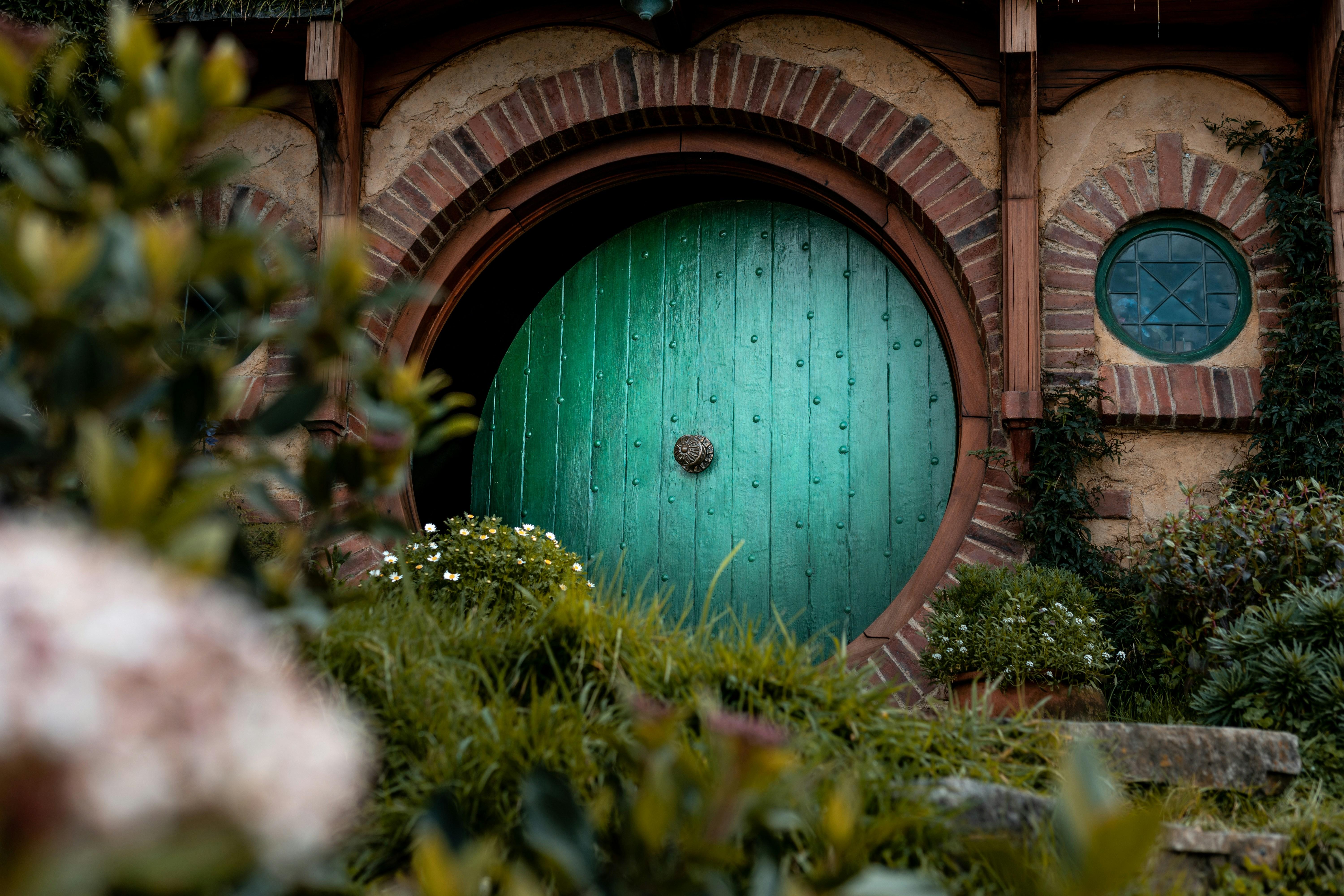
Legacy and Influence of The Hobbit on Modern Fantasy
J.R.R. Tolkien’s The Hobbit has woven itself into the very fabric of modern fantasy, serving as a cornerstone for the genre’s evolution. Its impact can be seen not only in the world-building and narrative structures of contemporary fantasy literature but also in the broader spectrum of popular culture, from films and video games to tabletop role-playing games. The novel introduced readers to a rich tapestry of mythical creatures, languages, and landscapes, setting a precedent for detailed world-building that authors like George R.R. Martin and Patrick Rothfuss have followed. The journey of Bilbo Baggins from a reluctant adventurer to a cunning hero laid the groundwork for character development arcs that have become a staple in modern storytelling.
- World-Building: Tolkien’s meticulous creation of Middle-earth has inspired countless authors to craft their own intricate worlds, complete with unique histories and languages.
- Character Archetypes: The transformation of Bilbo Baggins is a template for the hero’s journey, influencing character arcs across the fantasy genre.
- Influence on Media: The adaptation of The Hobbit into films and games has broadened its reach, introducing its themes to new audiences and mediums.
In essence, The Hobbit remains a pivotal influence on modern fantasy, continuously shaping the narratives and worlds that captivate today’s audiences. Its legacy is not just preserved in literature but is actively evolving as new creators draw inspiration from Tolkien’s imaginative genius.
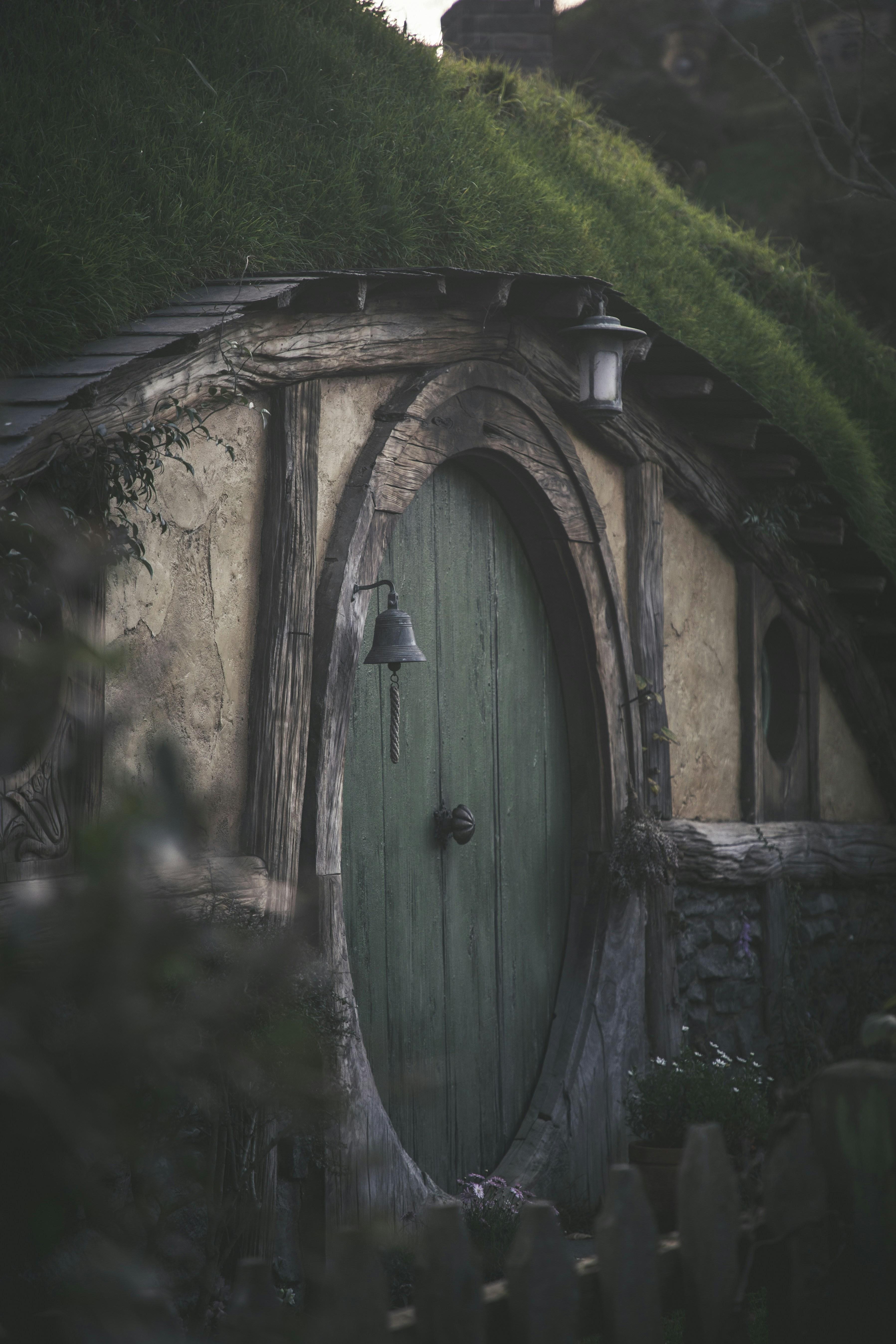
Thematic Resonance in Contemporary Fantasy Narratives
In the realm of contemporary fantasy, thematic resonance is a crucial element that determines the longevity and relevance of narratives. J.R.R. Tolkien’s “The Hobbit” continues to be a touchstone for the genre, not merely for its pioneering fantasy elements but for the universal themes it explores. Despite the evolution of fantasy narratives, the core themes of heroism, adventure, and the journey of self-discovery remain timeless. These themes resonate deeply with modern audiences, who often find themselves navigating complex worlds, both real and imagined. The simplicity of Bilbo Baggins’ transformation from a reluctant participant to a courageous hero echoes the personal journeys of many readers today.
- Hero’s Journey: The classic arc of an ordinary character rising to extraordinary circumstances.
- Good vs. Evil: A timeless conflict that continues to captivate audiences across different cultures.
- Friendship and Loyalty: The bonds formed during Bilbo’s quest are reflective of the social dynamics cherished in contemporary narratives.
Moreover, “The Hobbit” addresses the theme of environmental consciousness, which is increasingly pertinent in today’s discourse. Tolkien’s depiction of the Shire and its subsequent threats mirrors contemporary concerns about nature and preservation. By examining these elements, it’s evident that “The Hobbit” not only set a foundation for fantasy literature but also adapts seamlessly into the thematic currents of today’s fantasy landscape, proving its enduring relevance.
Character Archetypes and Their Evolution in Fantasy Literature
In the realm of fantasy literature, character archetypes serve as the backbone for storytelling, providing readers with familiar yet ever-evolving figures to engage with. The Hobbit, penned by J.R.R. Tolkien, introduced a host of such archetypes that have since become staples in the genre. The reluctant hero, epitomized by Bilbo Baggins, and the wise mentor, embodied by Gandalf, are two such examples that have persisted and adapted over time. These archetypes have been reimagined in contemporary works to reflect modern sensibilities and cultural shifts.
Modern fantasy authors have taken these foundational characters and infused them with new dimensions. Consider the following ways in which these archetypes have evolved:
- Diverse Representation: New fantasy works are increasingly featuring characters from diverse backgrounds, broadening the scope of what a hero can look like.
- Complex Motivations: Today’s characters often possess more nuanced motivations, reflecting the complexities of the modern world.
- Subversion of Roles: Authors now frequently subvert traditional roles, offering twists that challenge readers’ expectations.
These changes not only keep the genre fresh but also invite readers to explore deeper themes, making the study of character archetypes a continually relevant endeavor.

The Role of World-Building in The Hobbit and Its Modern Counterparts
In J.R.R. Tolkien’s classic, world-building serves as the cornerstone that elevates “The Hobbit” from a mere adventure tale to a legendary epic. Tolkien meticulously crafted Middle-earth with its own languages, histories, and cultures, providing a richly textured backdrop that allows readers to fully immerse themselves in the narrative. This intricate level of detail not only enriches the storyline but also sets a high standard for modern fantasy authors. Today, the significance of world-building is evident in works like George R.R. Martin’s “A Song of Ice and Fire” and Brandon Sanderson’s “Mistborn” series, where the settings are as pivotal to the plot as the characters themselves.
Modern fantasy has expanded upon Tolkien’s techniques, integrating them with contemporary themes and technological advancements. While Tolkien’s work relied heavily on mythological elements, today’s authors often weave in issues such as politics, social justice, and environmental concerns. However, the core principle remains the same: a well-constructed world can elevate a story, providing depth and context that resonates with readers. This enduring aspect of world-building underscores “The Hobbit’s” continued relevance, demonstrating how foundational elements of storytelling have evolved yet remained consistent in their ability to captivate audiences.
