
Title: Exploring Mental Health Through Animation: The Case of BoJack Horseman
In recent years, the realm of animated television has transcended its traditional boundaries, offering more than just entertainment and escapism. Among the groundbreaking series that have redefined the potential of animation is “BoJack Horseman,” a show that intricately weaves the complexities of mental health into its narrative fabric. Through a nuanced portrayal of its characters’ struggles, “BoJack Horseman” has emerged as a poignant commentary on the human condition, despite its anthropomorphic setting. This article delves into how the series employs animation not merely as a stylistic choice but as a profound medium to explore themes of depression, addiction, and the search for meaning, ultimately challenging societal perceptions of mental health. By analyzing key elements of the show, we aim to uncover the innovative ways in which “BoJack Horseman” has contributed to the ongoing discourse on mental well-being, setting a precedent for future narratives in both animated and live-action formats.
Exploring the Complex Portrayal of Depression and Anxiety
In the vibrant and often surreal world of BoJack Horseman, the series navigates the intricacies of mental health with a depth and nuance rarely seen in animated television. This acclaimed show dives headfirst into the portrayal of depression and anxiety, using its anthropomorphic characters and satirical Hollywood setting as a backdrop for exploring these complex themes. BoJack, the titular character, embodies the internal struggle of battling one’s demons, depicting a life of highs marred by the lows of self-doubt and self-destructive behavior. His journey reflects a raw and honest look at how mental health issues can manifest, challenging the viewers to empathize with his plight despite his often morally ambiguous actions.
- Authentic Representation: The series does not shy away from showing the multifaceted nature of depression, highlighting how it affects relationships, career, and personal growth.
- Character Development: Through characters like Diane and Princess Carolyn, the show illustrates the different faces of anxiety and the societal pressures that exacerbate these feelings.
- Narrative Depth: By weaving humor with dark realities, the show strikes a balance that makes its message both impactful and accessible.
Through these storytelling techniques, BoJack Horseman offers a profound commentary on the often misunderstood aspects of mental health, providing a platform for discussions that resonate with audiences long after the credits roll.
The Role of Visual Metaphors in Communicating Inner Turmoil
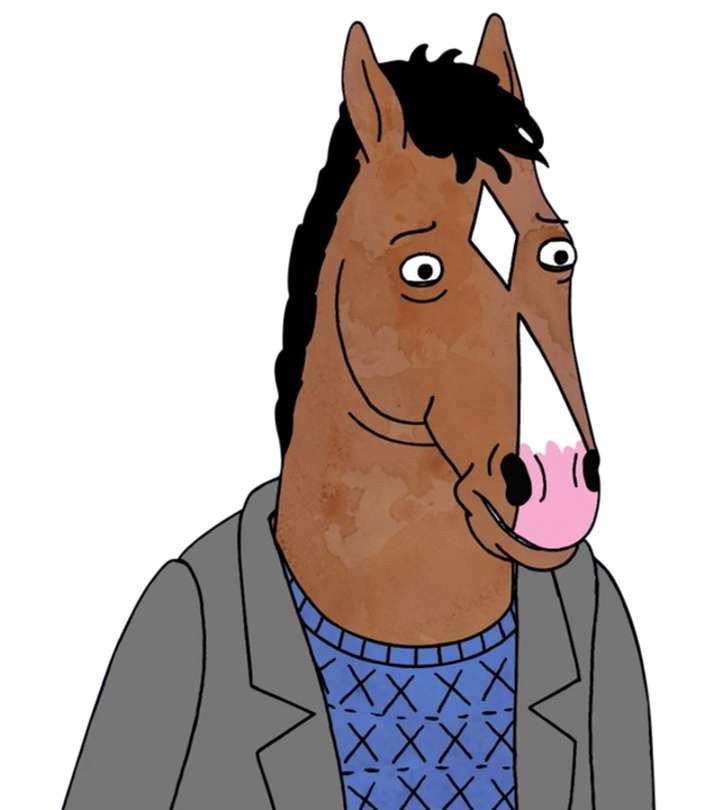
In the animated series “BoJack Horseman,” visual metaphors serve as a powerful tool for illustrating the complex nature of mental health struggles. By using animation’s limitless potential, the show crafts vivid imagery that communicates the protagonist’s inner turmoil in ways traditional media often cannot. The series employs various visual elements to symbolize BoJack’s mental state, creating a narrative that resonates with viewers on a subconscious level.
- Underwater Sequences: These scenes capture the sensation of being overwhelmed and suffocated by anxiety, illustrating the isolation and pressure BoJack experiences.
- Melting Faces: Used to depict moments of extreme stress or panic, this metaphor highlights the fragility of BoJack’s mental facade.
- Shadowy Doppelgängers: Representing BoJack’s self-doubt and guilt, these figures visually express the internal battles that words alone might fail to convey.
By leveraging such symbolic imagery, “BoJack Horseman” offers a nuanced exploration of mental health, providing viewers with a deeper understanding of the character’s psychological landscape. This innovative approach not only enriches the narrative but also invites the audience to engage in a more empathetic and reflective dialogue about mental well-being.
Character Development as a Tool for Mental Health Awareness
BoJack Horseman, a critically acclaimed animated series, serves as a profound exploration of mental health issues through its rich character development. The show delves into the complexities of depression, addiction, and the relentless pursuit of happiness, all while maintaining a balance between humor and gravity. BoJack, the protagonist, is portrayed as a deeply flawed character whose struggles resonate with many viewers. His journey reflects the often nonlinear path of dealing with mental health challenges, emphasizing that recovery is not a one-size-fits-all process.
- Realistic Portrayal: The show doesn’t shy away from depicting the harsh realities of mental illness, including the impact on relationships and personal growth.
- Empathy and Understanding: Through its characters, BoJack Horseman fosters empathy, encouraging viewers to understand the struggles of those living with mental health issues.
- Dialogue on Therapy: The series normalizes therapy and self-reflection, highlighting their importance in the journey towards mental well-being.
By weaving these elements into its narrative, BoJack Horseman not only entertains but also educates its audience, using animation as a powerful medium to spark conversations about mental health.
Recommendations for Using Animation in Mental Health Narratives
Incorporating animation into mental health narratives offers a unique opportunity to explore complex emotions and abstract concepts. BoJack Horseman serves as an exemplary case study, demonstrating how animation can effectively communicate mental health issues. Here are some recommendations for using animation in such narratives:
- Utilize Metaphorical Imagery: Animation allows creators to use symbolic visuals to represent internal struggles, such as depression or anxiety, in a way that live-action cannot easily achieve. This can help viewers understand the character’s mental state on a deeper level.
- Employ Non-linear Storytelling: Animated narratives can play with time and space, offering a fragmented yet insightful view into the mind of a character dealing with mental health issues. This approach can mimic the often chaotic experience of living with mental illness.
- Balance Humor and Drama: Animation can blend comedic elements with serious themes, providing a balanced portrayal that is both engaging and thought-provoking. This can make the narrative more accessible while still conveying the gravity of mental health topics.
By thoughtfully integrating these elements, creators can craft narratives that not only entertain but also foster a deeper understanding of mental health, ultimately encouraging empathy and discussion.
