
For over 150 years, Louisa May Alcott’s “Little Women” has held an enduring presence in the literary canon, consistently captivating readers across diverse generations. This classic novel, first published in 1868, chronicles the lives of the four March sisters as they navigate the challenges and triumphs of growing up during the Civil War era. Despite the passage of time and shifting societal norms, “Little Women” remains a compelling narrative that resonates with audiences today. This article delves into the factors contributing to the novel’s timeless appeal, examining how its universal themes, rich character development, and adaptability to various cultural contexts have enabled it to transcend its historical origins and continue to engage new readers in the modern age.
Exploring Timeless Themes of Family and Individuality
The enduring appeal of “Little Women” lies in its exploration of universal themes that resonate deeply across generations. Family serves as the heart of the narrative, providing a canvas for the characters’ development and the dynamics that shape their lives. The March sisters’ journey unfolds in the intimate setting of their home, where each character’s aspirations, conflicts, and growth are intricately woven into the fabric of familial bonds. This portrayal of family life highlights the balance between collective unity and individual desires, a theme that remains relevant as readers navigate their own familial relationships.
Individuality is equally pivotal, as Louisa May Alcott crafts characters who embody distinct ambitions and struggles. Each sister represents a different facet of personal identity and ambition, challenging societal norms and expectations of their time. This timeless narrative encourages readers to reflect on their own paths of self-discovery. Key elements include:
- Jo’s pursuit of literary aspirations, which defies gender roles and inspires countless readers to follow their passions.
- Amy’s artistic ambitions, illustrating the complexity of balancing personal dreams with societal expectations.
- Meg’s domestic aspirations, offering a nuanced perspective on the value of family life.
The intricate interplay between these themes of family and individuality ensures that “Little Women” remains a compelling read, capturing the imagination of each new generation.
Analyzing Character Development and Its Modern Relevance
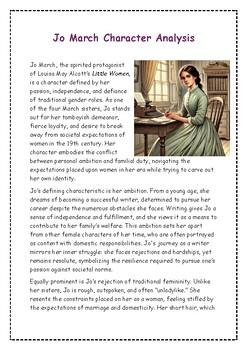
Louisa May Alcott’s “Little Women” is a timeless exploration of character development that continues to resonate with readers today. The novel’s portrayal of the March sisters—Meg, Jo, Beth, and Amy—offers a rich tapestry of growth, ambition, and personal challenges. Each sister’s journey is meticulously crafted, showcasing a spectrum of human experiences and emotional depth. Jo March, with her fierce independence and literary aspirations, embodies the struggle for self-identity and gender equality. Meg, on the other hand, represents the traditional path of marriage and motherhood, yet she navigates her role with complexity and nuance. Beth’s quiet strength and vulnerability highlight themes of illness and mortality, while Amy’s artistic pursuits and social ambitions illustrate the tension between personal desires and societal expectations.
- Resilience: The characters’ ability to adapt and grow in the face of adversity mirrors modern struggles with resilience and personal growth.
- Individuality vs. Societal Norms: Jo’s resistance to conventional gender roles reflects ongoing dialogues about individuality and conformity.
- Family Dynamics: The complex relationships among the sisters and their mother provide insight into the evolving dynamics of family structures today.
This nuanced character development allows “Little Women” to maintain its relevance, as readers find echoes of their own lives and aspirations within the March sisters’ stories. The novel’s ability to address universal themes of identity, family, and societal expectations ensures its enduring appeal across generations.
Understanding the Cultural and Historical Context of Little Women
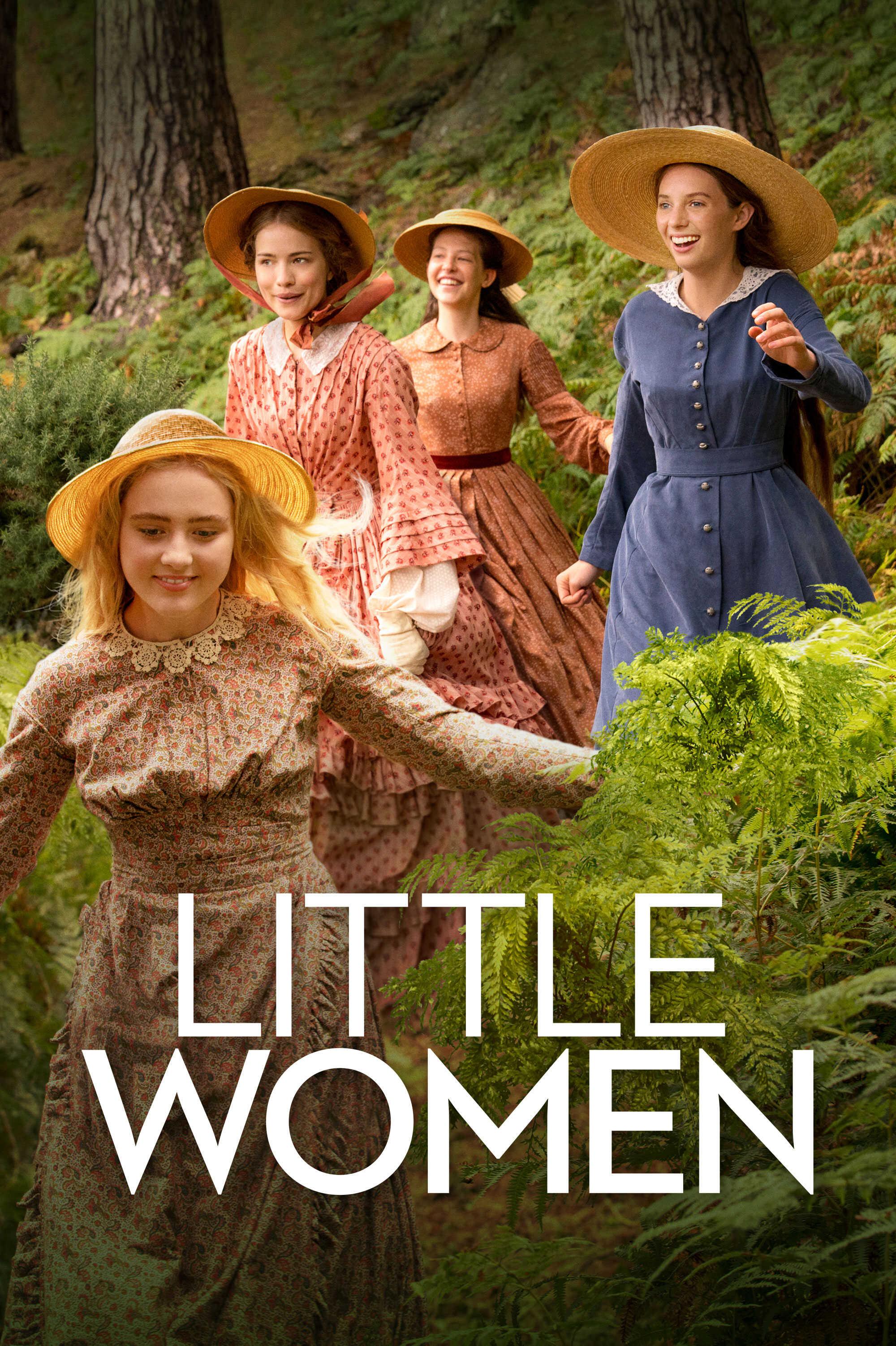
The enduring appeal of Little Women is intricately tied to its rich cultural and historical tapestry, which provides a window into the societal norms and familial dynamics of 19th-century America. Set during the Civil War era, the novel reflects a time of profound change and upheaval. The March sisters navigate the challenges of growing up in a society that imposes rigid expectations on women, yet they each strive for individuality and personal fulfillment. This context highlights the tensions between traditional gender roles and the burgeoning feminist ideals that were beginning to take root. The novel’s ability to portray these struggles authentically continues to resonate with readers who grapple with similar issues in contemporary society.
- Societal Expectations: The novel explores the limited roles available to women, emphasizing the societal pressure to marry well and adhere to domestic duties.
- Economic Challenges: The March family’s financial difficulties mirror the economic instability of the period, underscoring themes of resilience and resourcefulness.
- Feminist Undertones: Jo March’s ambitions and refusal to conform to societal norms offer a subtle critique of gender inequalities, inspiring readers across generations.
Through its nuanced portrayal of these elements, Little Women provides both a historical snapshot and a timeless narrative, allowing readers to reflect on how far society has come and how much further it has to go.
Recommendations for Engaging with Little Women in Contemporary Settings
Engaging with Little Women in today’s world requires a thoughtful approach that acknowledges both the timeless elements of the story and the nuances of modern life. To captivate contemporary audiences, consider these strategies:
- Contextualize Historical Themes: Draw parallels between the social and economic challenges faced by the March sisters and those encountered by young people today. This can highlight the universality of their struggles and triumphs.
- Highlight Feminist Undertones: Emphasize the novel’s exploration of women’s independence and individuality. Relate these themes to current conversations about gender equality and empowerment, making the story relevant to new generations.
- Interactive Discussions: Use platforms like book clubs or social media to encourage dialogue about the characters’ motivations and decisions. Engaging readers in debates can deepen their connection to the story.
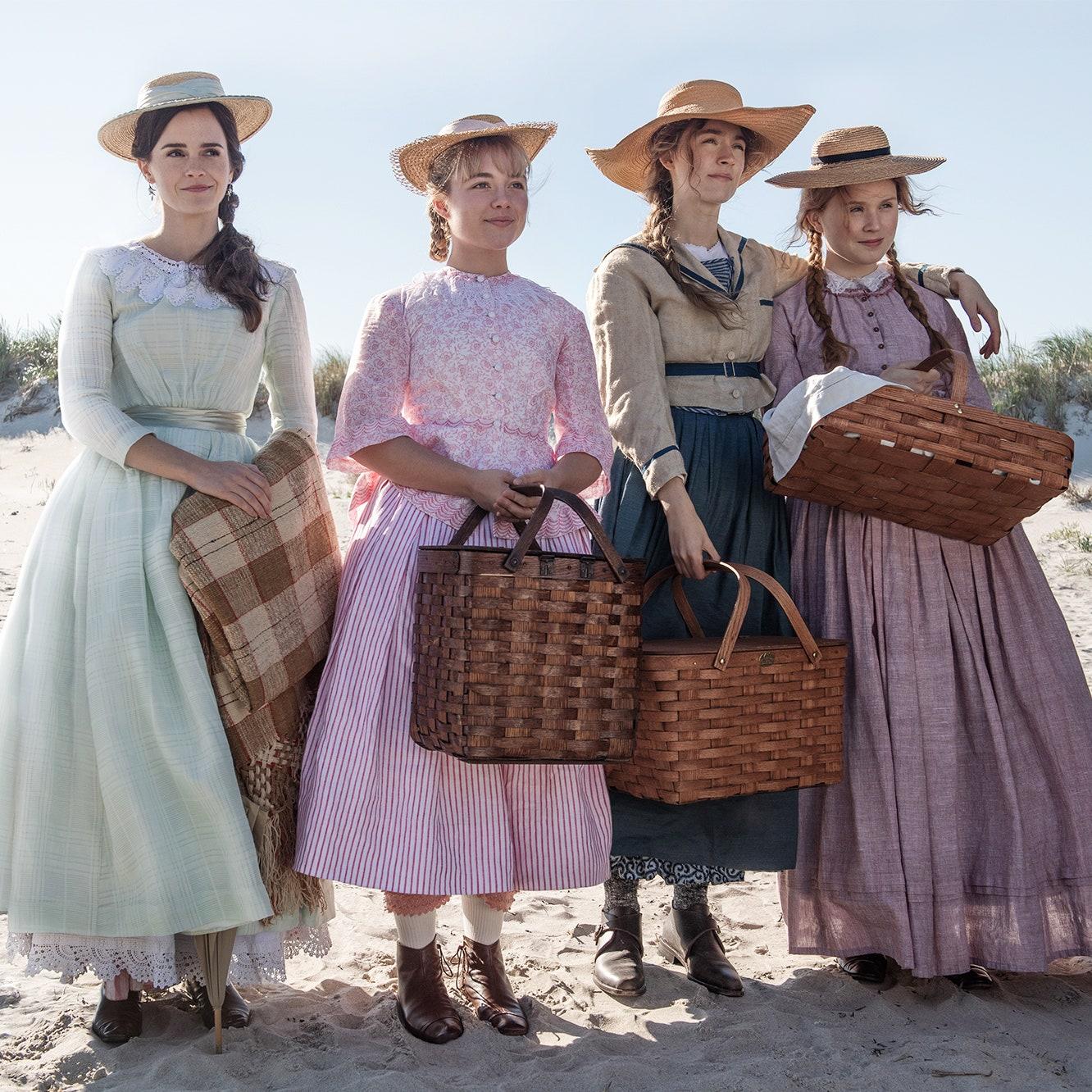
- Modern Adaptations: Introduce multimedia adaptations, such as films or stage productions, that reinterpret the narrative in contemporary settings. This can help bridge the gap between classic literature and modern entertainment preferences.
By adopting these methods, educators, readers, and enthusiasts can ensure that Little Women remains a beloved and relevant piece of literature across generations.
