
In the realm of contemporary literature, few novels have sparked as much discussion and analysis as Donna Tartt‘s “The Goldfinch.” This Pulitzer Prize-winning work intricately weaves the tale of a young boy’s tumultuous journey through loss and redemption, set against the backdrop of a stolen masterpiece. At its core, “The Goldfinch” is a profound exploration of how art and grief intertwine, each shaping and reflecting the human experience in unique ways. This article delves into the delicate balance Tartt achieves between these two powerful themes, examining how the narrative’s interplay of beauty and sorrow provides a deeper understanding of the protagonist’s internal struggles and the universal quest for meaning amidst chaos. Through an analytical lens, we will explore how “The Goldfinch” not only portrays the enduring impact of art on personal identity but also illuminates the transformative power of grief in the search for solace and connection.
Exploring the Intersection of Art and Emotion in The Goldfinch
In “The Goldfinch,” Donna Tartt masterfully weaves a tapestry where art becomes both a sanctuary and a source of emotional turmoil. The novel’s depiction of the painting “The Goldfinch” by Carel Fabritius as a symbol of beauty and loss illustrates the profound impact art can have on the human psyche. Art serves as a conduit for grief, allowing characters to confront their emotional scars while finding solace in its permanence. The painting’s small, unassuming presence belies its significant role in protagonist Theo Decker’s life, offering a sense of continuity amidst chaos and loss.
- Art as Memory: The painting acts as a tangible memory, a constant reminder of Theo’s mother and the life he lost.
- Art as Escape: It provides Theo with an escape from his turbulent reality, becoming a touchstone for his emotional resilience.
- Art as Identity: Theo’s connection to the painting shapes his identity, influencing his choices and relationships throughout the narrative.
Emotionally charged and intricately layered, the novel demonstrates how art can encapsulate the complexity of human emotion, bridging the gap between despair and hope. Tartt’s narrative invites readers to reflect on how art can mirror the emotional landscapes we navigate, offering both comfort and confrontation. By intertwining the painting’s fate with Theo’s journey, “The Goldfinch” becomes a poignant exploration of how art and emotion are inextricably linked, each influencing and reflecting the other in a delicate balance.

Analyzing the Protagonists Journey Through Loss and Artistic Expression
In Donna Tartt’s “The Goldfinch,” the protagonist, Theo Decker, navigates the turbulent waters of loss and the transformative power of art. Following the tragic death of his mother in a museum bombing, Theo’s life becomes a complex tapestry of grief interwoven with an illicit attachment to a small, enigmatic painting, “The Goldfinch.” This painting becomes a symbol of permanence and beauty amidst chaos, acting as both a comforting presence and a haunting reminder of his trauma. Through Theo’s journey, Tartt intricately explores how art can serve as a conduit for processing loss, offering both solace and a means of escape from the harsh realities of life.
As Theo’s story unfolds, several key elements illustrate the balance between his grief and his artistic experiences:
- Survival Through Art: The painting becomes a lifeline for Theo, a tangible link to his mother and a representation of survival against the odds.
- Art as a Mirror: Theo’s interactions with art reflect his inner turmoil, often revealing his struggle to find identity and meaning in a fractured world.
- Redemption and Guilt: The art he clings to becomes a double-edged sword, embodying both the potential for redemption and the burden of guilt.
Through these narrative threads, “The Goldfinch” deftly portrays the intricate dance between the human experience of loss and the redemptive, albeit complex, role of art in healing and self-discovery.
The Role of Art in Healing and Transformation within The Goldfinch
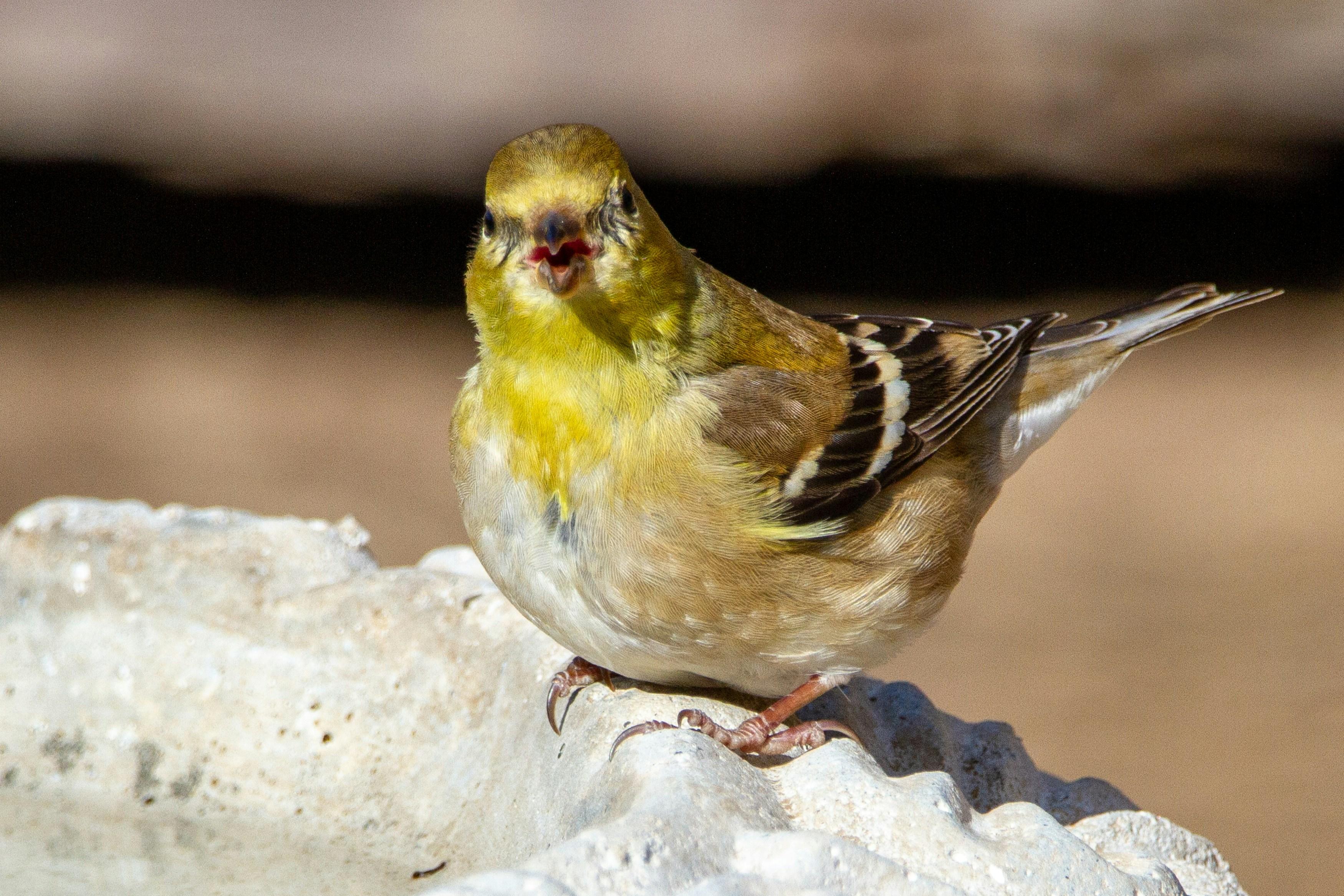
In Donna Tartt’s The Goldfinch, art serves as a conduit for healing and transformation, offering characters a path through their grief and chaos. The painting of “The Goldfinch” by Carel Fabritius is not merely a backdrop but a pivotal element that anchors Theo’s tumultuous journey. This artwork becomes a symbol of resilience and beauty amidst despair, reflecting the duality of life’s fragility and permanence. Art, in this narrative, becomes a silent witness to Theo’s losses and victories, guiding him towards self-discovery and redemption.
- Emotional Resilience: Art provides Theo with a sense of stability and continuity, allowing him to navigate the stormy waters of his emotions.
- Symbol of Hope: The painting represents a tether to his mother, an unbroken link to a world that once was, offering a glimmer of hope in his darkest moments.
- Catalyst for Change: As Theo immerses himself in the world of art, he finds a sanctuary that fosters personal growth and transformation.
Through the intricate weaving of art into the fabric of the story, Tartt illustrates how creativity can illuminate the path from grief to healing, crafting a narrative where art is both a balm for wounds and a catalyst for profound change.
Recommendations for Engaging with Art as a Tool for Coping with Grief
Engaging with art can be a profound way to navigate the complexities of grief. Art offers a safe space for expression and allows individuals to explore their emotions without judgment. Here are some thoughtful recommendations to help you use art as a coping mechanism:
- Embrace Creative Expression: Whether it’s painting, writing, or music, let creativity be your outlet. This process can help externalize emotions that are difficult to verbalize.
- Seek Reflective Art: Find art that resonates with your experience of grief. This can be comforting and provide a sense of connection to the broader human experience.
- Join Art Therapy Sessions: Participating in guided art therapy can offer structured support and community, which can be invaluable during the grieving process.
Incorporating art into your journey through grief can help create a balanced emotional landscape, offering both solace and insight. By actively engaging with art, you can begin to process and understand your grief in a meaningful way.
