
In recent years, the landscape of television has undergone a seismic shift, largely driven by the rise of streaming services. These platforms have not only revolutionized how content is consumed but have also played a pivotal role in reshaping the narratives and faces that grace our screens. As traditional barriers to entry in the entertainment industry are dismantled, streaming services have emerged as powerful catalysts for diversity in TV shows, offering a wider array of voices and stories than ever before. However, while the democratization of content creation promises a more inclusive future, it also raises questions about the depth and authenticity of representation. This article critically examines the extent to which streaming services have expanded diversity in television, exploring both the opportunities and challenges that come with this new era of storytelling.
Challenges in Representing Diverse Voices on Streaming Platforms
Streaming platforms have been pivotal in broadening the spectrum of voices in television, yet they face significant obstacles in truly achieving a representative mix. A critical challenge lies in the algorithm-driven nature of these platforms, which often prioritizes content based on viewer preferences and viewing history. This can inadvertently create echo chambers, limiting exposure to diverse narratives. Additionally, the decision-makers at the helm of content acquisition and production often come from homogenous backgrounds, which can skew the representation of different communities.
Another hurdle is the globalization of content. While streaming services have the advantage of reaching a worldwide audience, this can sometimes lead to a dilution of culturally specific narratives to appeal to a broader demographic. This often results in a one-size-fits-all approach, where the unique voices of minority cultures may be overshadowed by more universally appealing themes. Moreover, the pressure to produce high volumes of content can result in superficial or stereotypical portrayals of diverse groups. To counter these challenges, platforms must strive for genuine inclusivity by investing in authentic storytelling, employing diverse creators behind the scenes, and ensuring equitable representation across all content categories.
Analyzing the Impact of Streaming Services on Cultural Narratives
The advent of streaming services has significantly transformed the landscape of cultural narratives by broadening the spectrum of representation in TV shows. Unlike traditional television networks, streaming platforms are not bound by the same geographic and regulatory constraints, allowing them to offer a diverse range of content from around the world. This has led to an increase in shows that highlight underrepresented communities and unique perspectives, which were often overlooked by mainstream media.
- Global Reach: Streaming services like Netflix and Amazon Prime Video have a global subscriber base, enabling them to feature content from various countries and cultures. This international reach allows audiences to experience stories and viewpoints they might not have encountered otherwise.
- Creative Freedom: These platforms often provide creators with more creative freedom, encouraging the development of original content that challenges conventional norms and explores complex themes.
- Niche Markets: The ability to cater to niche markets has led to the production of shows that address specific cultural, social, and political issues, fostering a more inclusive media environment.
In this evolving media landscape, streaming services play a crucial role in shaping cultural narratives by promoting diversity and inclusivity, thus reflecting the complexities of our global society.

Strategies for Enhancing Diversity in Streaming Content
To effectively enhance diversity in streaming content, platforms can adopt a multifaceted approach that incorporates various strategies aimed at fostering inclusivity. One key method is through the amplification of diverse voices both in front of and behind the camera. This involves actively seeking out and supporting creators from underrepresented backgrounds to tell their stories authentically. By providing these creators with resources and opportunities, streaming services can offer a richer array of narratives that resonate with a wider audience.
- Inclusive Content Curation: Employ editorial teams that reflect a broad spectrum of cultures and experiences to ensure a balanced representation of stories.
- Data-Driven Insights: Utilize analytics to identify gaps in representation and audience demand for diverse content, tailoring offerings to meet these needs.
- Partnerships and Collaborations: Engage with cultural organizations and advocacy groups to gain insights and foster projects that highlight underrepresented communities.
- Talent Development Programs: Invest in training and mentorship programs aimed at nurturing emerging talents from diverse backgrounds, providing them with a platform to grow and succeed.
By implementing these strategies, streaming platforms can not only enhance diversity but also enrich the viewing experience, making it more inclusive and representative of the global audience they serve.
Evaluating the Role of Algorithms in Content Diversity
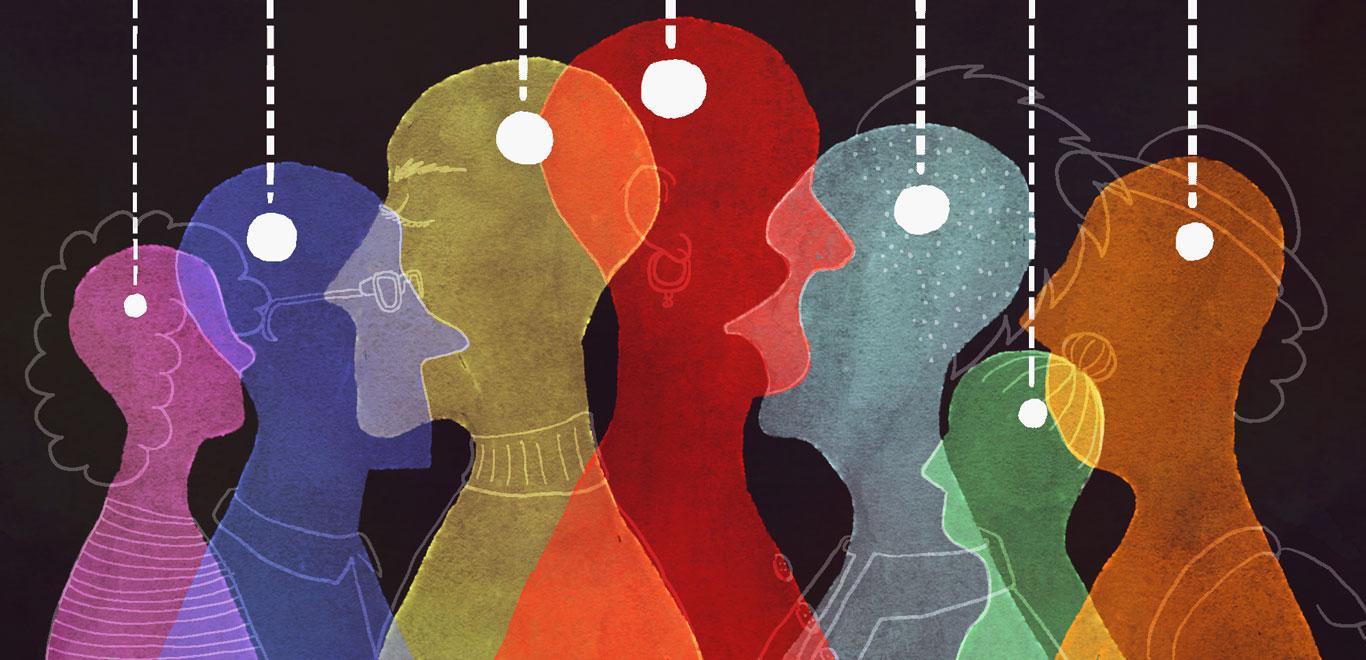
In the landscape of streaming services, algorithms play a pivotal role in shaping content diversity. These algorithms, driven by complex data sets, have the power to influence what users watch, potentially broadening their horizons or reinforcing existing preferences. Algorithms assess user behavior, such as viewing history and search patterns, to curate personalized recommendations. This can lead to a more diverse viewing experience by introducing users to a wide array of shows that they might not have discovered otherwise. However, there’s a fine line between expanding content diversity and confining viewers within a “filter bubble,” where suggestions are limited to familiar genres or themes.
- Pros: Algorithms can introduce audiences to international content, niche genres, and underrepresented voices, contributing to a richer media landscape.
- Cons: There’s a risk of homogenization, where popular content is pushed more frequently, overshadowing less mainstream shows.
As streaming services continue to refine their algorithms, it is crucial to balance personalization with exposure to a broad spectrum of content. This balance ensures that viewers are not only entertained but also enlightened by a variety of perspectives and narratives.
