
The landscape of television awards, particularly the prestigious Emmy Awards, is undergoing a transformative shift, reflecting broader changes within the entertainment industry. As streaming platforms proliferate and audiences diversify, traditional norms and criteria for excellence in television are being reevaluated. This evolution is not merely a response to technological advancements but also an acknowledgment of the changing tastes and expectations of viewers worldwide. This article explores the dynamic forces reshaping TV awards, examining the implications for creators, networks, and audiences alike. By analyzing these trends, we aim to understand how the Emmys and similar accolades can maintain their relevance and prestige in an era defined by rapid innovation and cultural shifts.
Evolving Criteria and Categories in Television Awards
As the television landscape continues to diversify and expand, the criteria and categories for prestigious awards like the Emmys are evolving to better reflect the industry’s dynamic nature. The rise of streaming platforms has blurred the lines between traditional television and online content, prompting a reevaluation of how shows are categorized. This shift has led to the creation of new categories, such as Outstanding Short Form Comedy or Drama Series, which acknowledge the increasing prevalence of web-based and short-form content.
- Genre Blending: Shows that mix elements of drama, comedy, and even documentary are becoming more common, challenging the conventional genre divisions. This has led to a broader interpretation of categories, allowing for more nuanced classifications.
- Diversity and Inclusion: There is a growing emphasis on recognizing diverse voices and stories. The introduction of categories specifically honoring performances and productions that highlight underrepresented groups underscores this commitment.
- Technical Innovations: With advancements in technology, categories that focus on visual effects, sound design, and interactive media are gaining prominence, acknowledging the integral role these elements play in storytelling.
These changes not only strive to keep pace with the rapidly evolving medium but also aim to ensure that the awards remain relevant and inclusive, reflecting the rich tapestry of modern television storytelling.
Impact of Streaming Platforms on Award Nominations
The arrival of streaming platforms has revolutionized the traditional dynamics of TV award nominations, most notably the Emmys. These platforms have expanded the playing field by offering a vast array of content that challenges conventional network offerings. As a result, the diversity in genre and storytelling has increased, leading to a broader spectrum of nominations. This shift is evident in the recent recognition of shows from platforms like Netflix, Amazon Prime, and Hulu, which consistently appear in categories traditionally dominated by cable and broadcast networks.
- Diverse Storytelling: Streaming services provide a platform for unique narratives and underrepresented voices, which has contributed to a more inclusive nomination process.
- Increased Competition: The sheer volume of content produced by these platforms has intensified the competition, pushing traditional networks to innovate.
- Flexible Viewing: The ability to binge-watch series at one’s convenience has changed how audiences engage with content, influencing their preferences and, ultimately, the awards landscape.
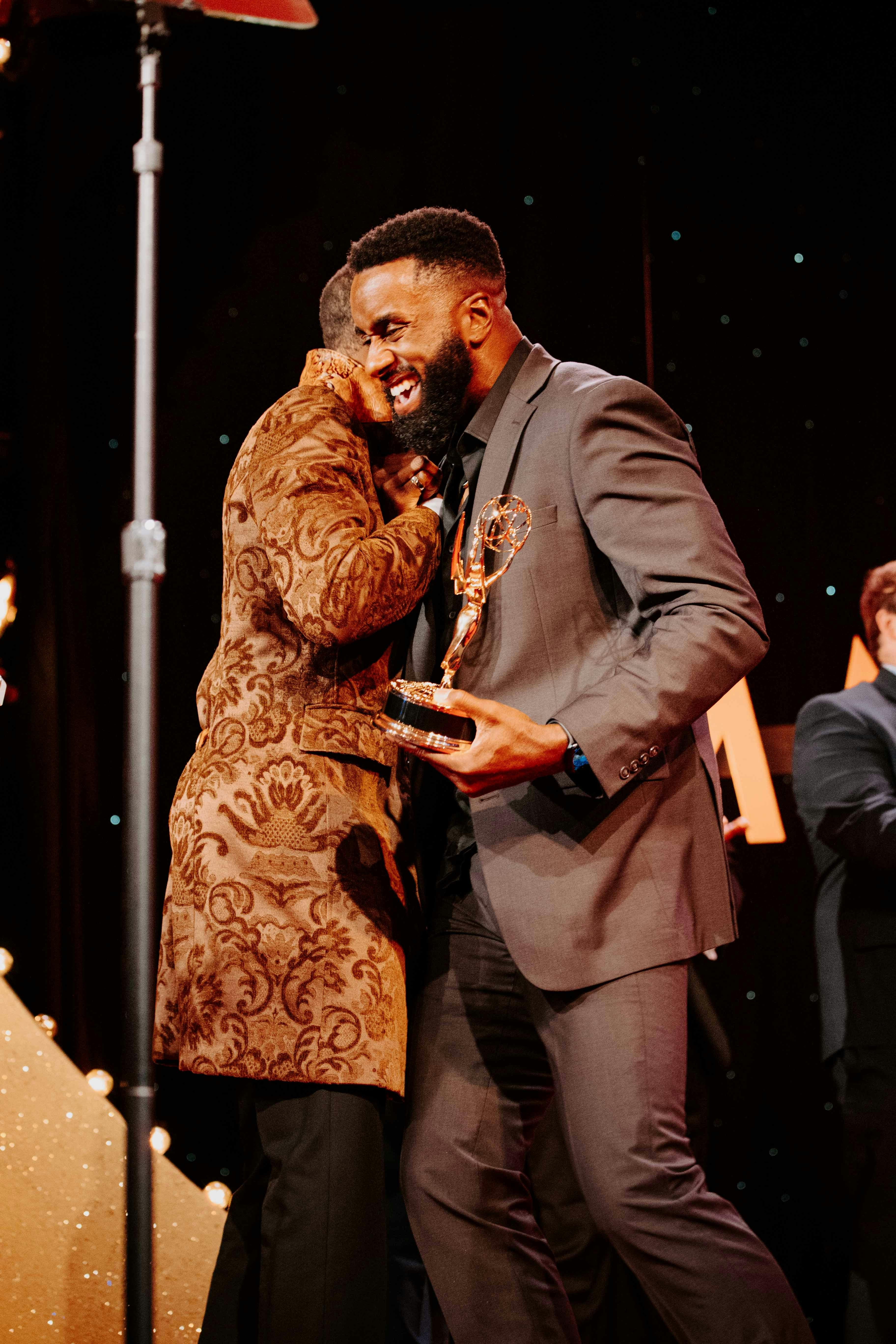
Diversity and Representation in Award Selections
The evolution of award selections in recent years has reflected a broader shift towards inclusivity and diversity, particularly in major events like the Emmys. As audiences become more diverse, there is a growing demand for representation across all facets of the television industry. This transformation is not only evident in the nominees and winners but also in the composition of the voting bodies. The inclusion of diverse voices in these decision-making processes helps ensure that a wide range of stories and perspectives are acknowledged and celebrated. Key changes include:
- Expanded Categories: New categories and subcategories have been introduced to recognize a wider array of genres and formats, allowing for more niche storytelling to be honored.
- Inclusive Voting Panels: Efforts to diversify the voting members have resulted in panels that better reflect the viewing audience’s demographics, leading to more equitable outcomes.
- Recognition of Underrepresented Groups: Increased attention to shows and performances that highlight underrepresented communities has brought fresh narratives to the forefront.
These changes suggest a promising trend towards a more inclusive and representative awards landscape, one that mirrors the rich diversity of the viewing audience and the world at large.

Future Directions for Enhancing Relevance and Credibility
To maintain the relevance and credibility of TV awards like the Emmys, it is crucial to adapt to the evolving landscape of television. This involves a more inclusive and comprehensive approach to recognizing diverse content across various platforms. Embracing new categories that reflect current trends, such as streaming-exclusive series or web-based content, can broaden the scope of recognition and ensure that awards remain pertinent to both creators and audiences.
- Incorporating audience engagement: Inviting viewers to participate in the nomination process can democratize the awards and reflect popular opinion more accurately.
- Expanding judging panels: Including a wider range of voices from different backgrounds can provide a more balanced and equitable evaluation of nominees.
- Updating eligibility criteria: Revisiting rules to accommodate non-traditional formats and experimental storytelling can help maintain a dynamic and forward-thinking awards system.
By taking these steps, TV awards can not only preserve their status as prestigious accolades but also become a driving force for innovation and diversity in the television industry.
